Guide: Which Jinko Solar panels should you consider in 2026?

Ultimate Jinko Solar Panels Guide Perth WA

Jinko Solar remains one of the world’s highest-volume solar manufacturers, and its 2026 range in Australia is still clearly anchored around N-type TOPCon “Tiger Neo” modules. In practical homeowner terms, that’s good news: the mainstream options now have strong efficiency, good hot-weather behaviour, and long linear performance warranties, without drifting into “utility-scale” panel formats that don’t suit typical Perth rooftops.

Quick points

This 2026 refresh focuses on what actually matters for first-time solar buyers in Perth: roof fit, real performance in heat, warranty clarity, and avoiding mismatched “big panels” that can complicate inverter selection and future expandability.

Contents

2026 update: Jinko Neo 440W Satin is now the Tiger Neo 475W (all black, dual glass)

Which to consider

For Perth homeowners, Jinko’s “sweet spot” remains the rooftop-friendly Tiger Neo formats (typically 48-cell residential format, plus selected larger formats where roof mounting is limted). In 2026, you’ll also see newer datasheets referencing Jinko’s “HOT 3.0” platform in parts of the range, primarily focused on incremental reliability/efficiency improvements within the TOPCon architecture.

Reality check: a “bigger watt” panel is not automatically “better.” Sometimes it’s simply a physically larger module. A useful way to compare panels fairly is:

Efficiency (%): more power from the same roof area.

Dimensions: affects layout, handling, maintenance, and future expansion options.

Temperature coefficient: how much output drops as the panel heats up (very relevant in Perth summer).

Model
Power
Efficiency
Temp
COEF (°C)
Download
Jinko Solar Panel by Perth Solar Warehouse
Tiger Neo
48HL4M-DB
475 W
23.77%
-0.29%
Datasheet
Jinko Tiger Neo
Tiger Neo
48HL4M-DV
475 W
23.77%
-0.29%
Datasheet
Jinko Cheetah Solar Module
Tiger Neo 60HL4-V
510 W
23.60%
-0.29%
Datasheet

1. Tiger Neo 48HL4M-DB (all black, dual glass, ~450–475 W). For most Perth homes, this remains the clean “default” recommendation in 2026. It’s a modern N-type TOPCon module with a rooftop-friendly footprint, high efficiency, and a straightforward warranty structure for first-time buyers. All-black for enhanced aesthetics. Dimensions: 1762×1134×30 mm

2. Jinko Tiger Neo 48HL4M-DV (dual glass, ~450–475 W): Choose this when you want a tougher, more “set-and-forget” module build in a rooftop-friendly format, without stepping up into the oversized commercial panels. The dual-glass construction improves long-term durability and resistance to harsh conditions (salt air, higher winds, higher rooftop temperatures). Dimensions: 1762×1134×30 mm

3. Jinko Tiger Neo 60HL4-V (~490–510 W): This can be a very effective 2026 option when roof space is constrained, and you want more kW in fewer modules. The trade-off is that larger, higher-current modules demand careful inverter selection and string design so you don’t create avoidable clipping or compatibility limits. A good installer will validate this quickly at the design stage. Note: The increased power class (Watts) is due to larger dimensions, not an efficiency gain for less rooftop space. Dimensions: 1906x1134x30mm

Largest: Tiger Neo (~710–735 W): At the time of compilation, the Tiger Neo was Jinko’s largest power-class solar panel. It is not suitable for most residential rooftops and inverters, as it is classified as a utility-scale solar panel. Max. efficiency: 23.66%. Dimensions: 2384×1303×33 mm

Jinko's Australian warranty

For most residential installations in Perth built around the Tiger Neo (N-type TOPCon), the current limited warranty terms for AU/NZ are generally presented as follows. These terms are designed to provide homeowners with reassurance about the performance and durability of their solar systems over time.

Product warranty: 25 years (many rooftop-oriented Tiger Neo types)

Performance warranty: 30 years (linear)

Degradation: 1.0% in year one, then typically 0.40% per year thereafter (ending at 87.4% at year 30 for those module types)

Warranty Download ›

Manufacturing origin

Jinko operates globally across globally diverse manufacturing locations. The relevant point for homeowners is that Jinko’s own datasheets for common Australian variants list “Made in China” for some models and also reference multi-country manufacturing footprints for others.

Jinko has also announced further international expansion, including a planned 10 GW solar cell and module factory in Saudi Arabia, to be built via a consortium structure (subject to approvals and project financing).

In practice, quality outcomes for homeowners correlate more strongly with: (1) the exact model/datasheet, (2) correct installation design, and (3) the installer’s aftercare and warranty support process.

What should you expect to pay?

Solar pricing is influenced by hardware costs, labour, roof complexity, and policy settings. The federal Small-scale Technology Certificates (STCs) still materially reduce the upfront price, and Perth metro postcodes sit in the Clean Energy Regulator’s STC “postcode zone rating” that installers use to calculate certificate entitlement (Perth and Bunbury postcodes fall within the published ranges shown for that zone rating).

 What we recommend in 2026: treat “price per kW” as a rough comparison tool only. A better approach is to shortlist a panel + inverter combination that fits your roof and export/usage goals, then compare quotes on inclusions (warranties, monitoring, workmanship, aftercare) rather than chasing the cheapest headline price.

Quick links: Common alternative system sizes (with prices): 3 kW, 6.6 kW, 10 kW, 13 kW or 19 kW.

Popular pairing options

It’s one thing to know which Jinko solar panels to consider, this is only ever half the equation. Some know precisely their inverter or battery preferences. But for those seeking further inspiration, try these popular product pairings to ensure a future-ready energy system.
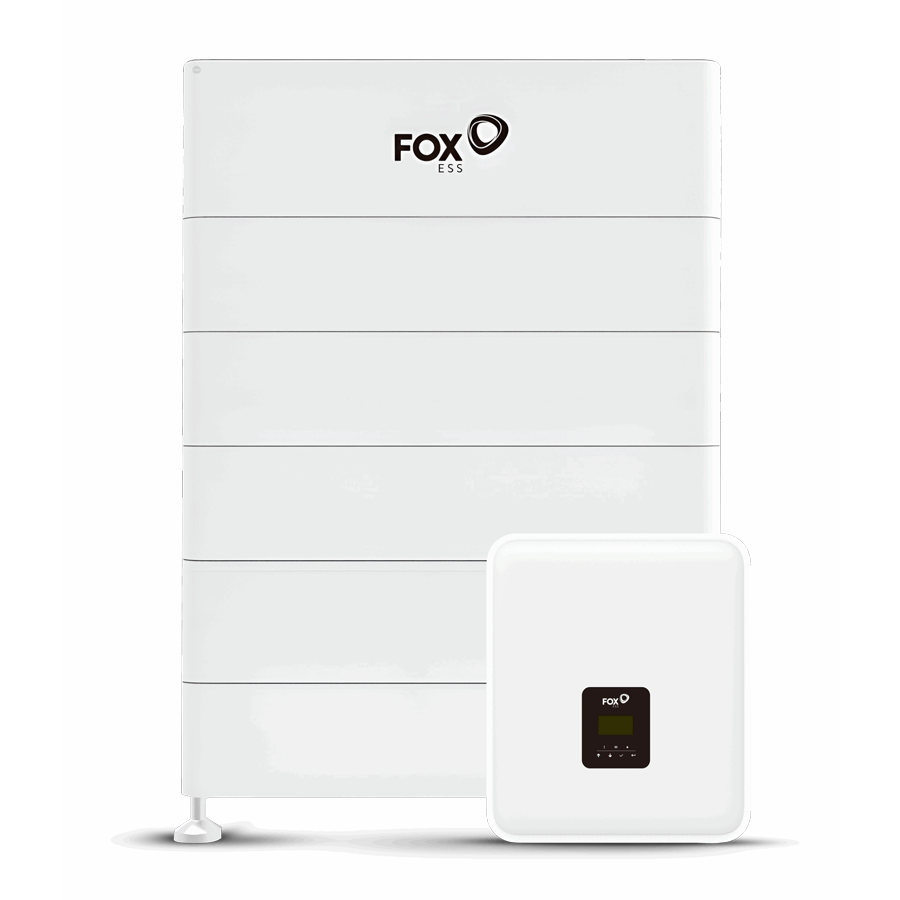
Economical: Fox ESS. A strong value/performance option with solid software and local support. $$

Shop: Customise your FoxESS
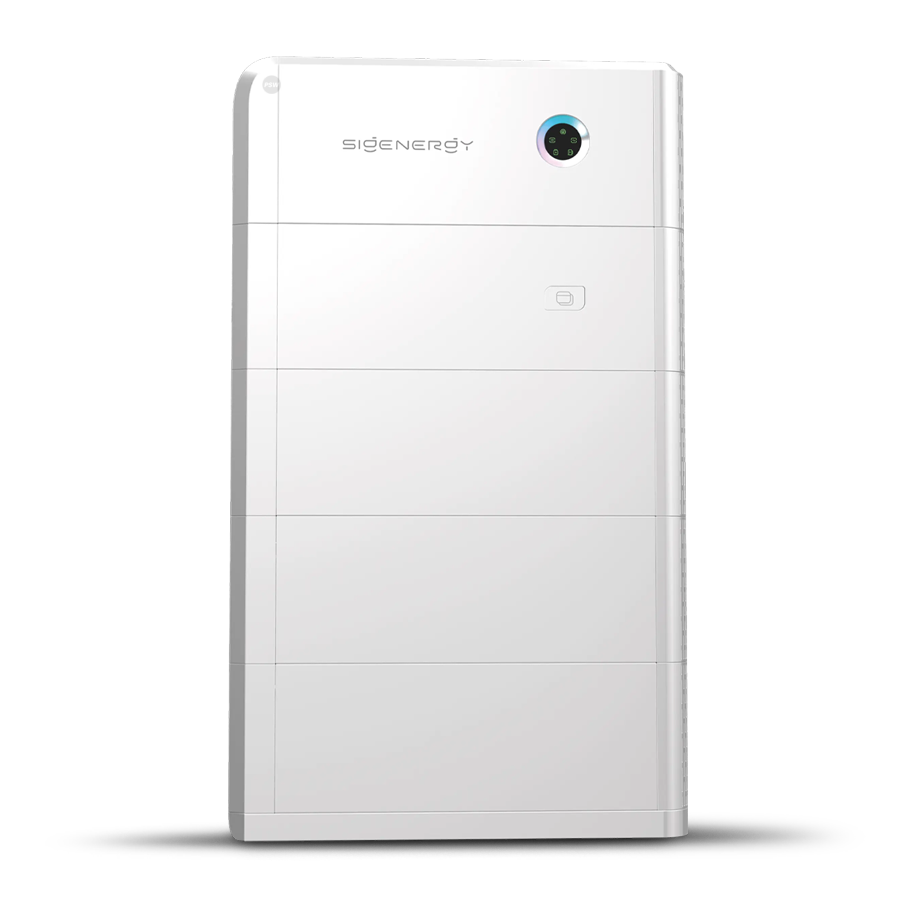
Cutting-edge: Sigenergy. A modern ecosystem featuring modular storage options and the innovative mySigen software, with the customisable SigenStor as your home energy hub. $$$

Guide: SigenStor is a reimagined home “energy hub”

Shop: Customise your Sigenstor
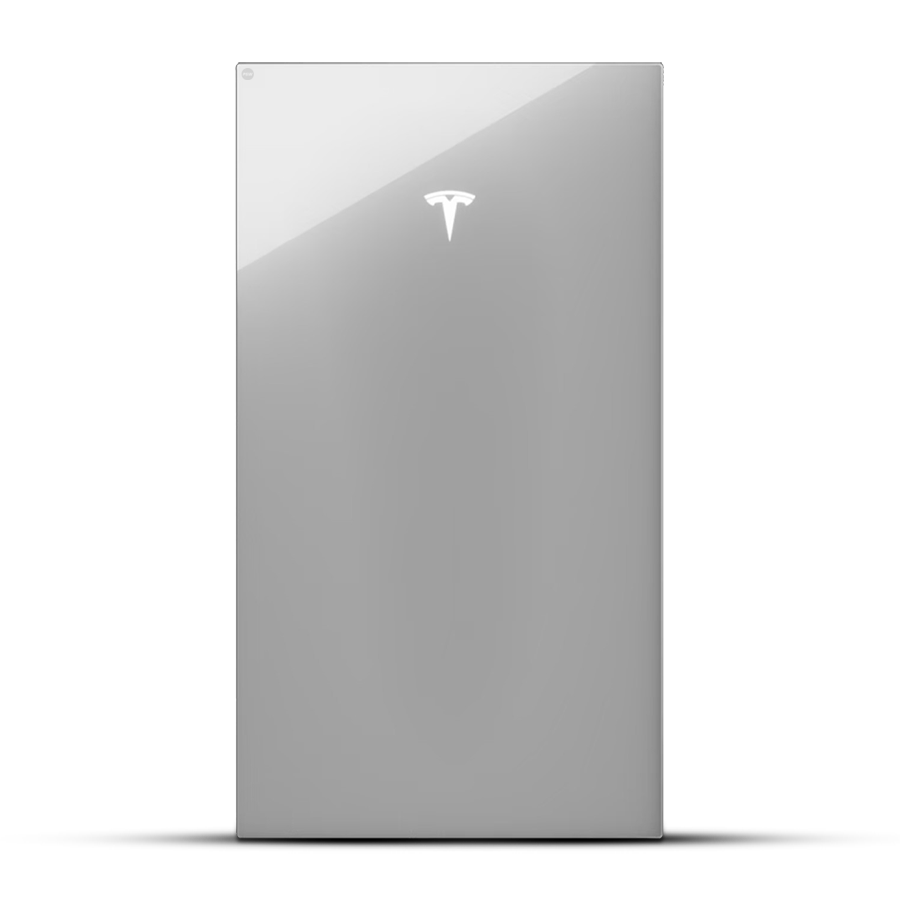
Tesla-Powerwall-3-by-Perth-Solar-Warehouse-6

Full-featured: Tesla. A proven, premium ecosystem option for buyers prioritising long-term platform confidence and serviceability. $$$

Guide: Tesla Powerwall 3 breaks new ground with redesign

Shop: Customise your Powerwall 3

PSW's recommended Jinko

For homeowners in Australia, selecting a solar panel that fits a residential roof is crucial. It’s essential to consider sensible dimensions, strong N-type TOPCon performance in high temperatures, and a reliable long-term warranty. Don’t let the headline wattage guide your decision exclusively. Often, a higher-watt panel is larger, which can lead to avoidable trade-offs in roof layout, handling, future expansion, and inverter compatibility.

1. Tiger Neo 48HL4M-DB (All Black, Dual Glass, 475 W)—This is the best choice for most Perth homes. It offers a clean, durable design with a modern N-type TOPCon module in a rooftop-friendly format, delivering high efficiency. The all-black finish provides a seamless roof look without compromising essential factors such as fit, performance, and long-term reliability.

2. Tiger Neo 48HL4M-DV (Dual Glass, 475 W)—This option is ideal for homeowners who prioritise durability and prefer a reduced aesthetic impact, with a marginal cost saving of approximately 1 cent per watt compared to option 1. Choose this panel if you want a robust, “set-and-forget” design while retaining the exact residential-friendly dimensions as option 1. The dual-glass construction is resilient, offering better tolerance for harsh conditions such as coastal air, wind exposure, and sustained rooftop heat. The trade-off typically involves slightly more weight than single-glass modules, so proper workmanship and safe handling are essential.

3. Tiger Neo 60HL4-V (510 W)—This panel is less suitable for most Perth homes due to its larger dimensions (approximately 2 meters). It may be a viable option when roof space is limited due to mounting points, allowing for larger perlin gaps. However, it’s important to note that the higher wattage is mainly attributed to the larger panel size rather than a technological advancement that produces more power from less roof area. Being a larger, higher-current module, it requires careful inverter selection and string design, and its physical size may complicate future servicing or expansion. For most standard Perth rooftops, the 48HL4M with the DB or DV options mentioned above is typically the more balanced choice.

If you’re located in the greater Perth region of Western Australia, PSW sales support is happy to assist with turnkey Jinko solar package purchasing queries. Perth Solar Warehouse (2013) has a locally proven history as a pioneering Jinko-certified installer in Western Australia. 

Nicole Bilman Appointed CEO of Perth Solar Warehouse

Perth Solar Warehouse (including PSW Energy) is proud to announce the appointment of Nicole Bilman as Chief Executive Officer (CEO), effective 2 February 2026.

Nicole’s appointment is both a significant milestone for our business and a meaningful signal for the wider sector. As a woman in solar stepping into the CEO role, Nicole represents the standards-led, performance-driven leadership that customers increasingly expect from a long-term energy partner in Western Australia.

Over the past five+ years, Nicole has progressed through the business from Administration Manager to General Manager, and now to CEO—earning each step through delivery, accountability, and the ability to build capability across people, process, and systems.

Key achievements within 5 years

This upgrade will deliver real improvements to how you interact with us and  ensure we remain aligned with modern expectations:

For customers and partners, the immediate focus is continuity. Nicole will continue overseeing day-to-day operations while building out her executive team over the next six months. This approach ensures stability in delivery and service, while strengthening leadership capacity as the business grows.

That growth includes a major cross-city expansion, with a new Perth Solar Warehouse location scheduled to open in Neerabup in late March 2026. The Neerabup site will enhance service coverage across Perth’s northern corridor, support faster logistics and scheduling, and increase capacity as more households and businesses transition to solar, battery storage, and electrification.

Nicole has earned this appointment through consistency, high standards, and an ability to build capability across the whole organisation,” said Derek McKercher, Director. “She leads with calm discipline, backs our people, and has helped shape a culture where customers feel supported long after the install. This move is the natural next step for Perth Solar Warehouse.

Nicole brings more than a decade of experience in the electrical and renewable energy industries. Her leadership is practical and outcomes-driven, focused on empowering teams, improving operational efficiency, and delivering a customer experience that remains structured, transparent, and dependable.

As Western Australia’s clean energy transition accelerates, Perth Solar Warehouse remains committed to being a long-term, community-inspired provider, helping customers adopt sustainable energy with confidence. Nicole’s appointment reinforces that commitment and marks the next stage of building a stronger, more capable business for the years ahead.

Important update: System upgrade this Australia Day weekend

We’re investing in an improved customer service experience for you. From Friday, 23 January, through Monday, 26 January, Perth Solar Warehouse will be migrating to a new Customer Management System. Our team will complete training on the new platform through Friday, 30 January.

What this means

During this period, you may experience some delays when contacting us or accessing your account information. Our team will be working hard to assist you, but response times may be longer than usual while we settle into the new system.

We’ve deliberately scheduled this migration over the Australia Day long weekend to minimise disruption, but we want to be upfront: there may be some bumps along the way.

Why we're making this change

This upgrade will deliver real improvements to how you interact with us and  ensure we remain aligned with modern expectations:

What you can do

If your enquiry isn’t urgent, we’d suggest waiting until after 30 January for the smoothest experience. For urgent matters, we’re still here—please bear with us if things take a little longer than usual.

Thank you for your patience

We know any disruption is frustrating, and we appreciate your understanding as we make these improvements. This investment in our systems reflects our commitment to serving you better for years to come.

If you have questions about this upgrade, please don’t hesitate to contact us.

The Perth Solar Warehouse Team

Solar market changes in 2026: Cost increases, delays, and how to prepare

If you’ve been considering solar for your home or business, it’s important to understand how current market conditions may affect your plans. Rising solar panel prices and a shortage of skilled installers are creating both cost and timing pressures for Australian homeowners. By knowing what’s happening and planning ahead, you can make smarter decisions and potentially secure better pricing and installation schedules.

Quick insight

Rising solar panel costs inevitable

Solar panel prices are set to increase throughout 2026. China, the world’s largest supplier of photovoltaic (PV) modules, will remove value-added tax (VAT) export rebates on solar products from April 1, 2026, which will raise manufacturing and export costs. At the same time, the price of silver—a key material in solar panels—has reached a record $83.62 per ounce, up 181% from last year. These factors are expected to increase the cost of solar panels in Australia, making early planning more important than ever [PV Magazine, Jan 2026][PV Magazine, Dec 2025][McKercher Corp, Jan 2026].

Skilled labour shortages

Australia is also experiencing a shortage of qualified solar installers. Rapid growth in renewable energy demand has outpaced the supply of trained electricians and technicians, leading to longer installation timelines and higher labour costs. Homeowners and businesses may face delays of several weeks or even months if they wait to book their solar installation. [PSW Energy, Jan 2026]

What this means for you

The combination of higher panel prices and limited installer availability compounds the impact on consumers: systems cost more upfront and may take longer to be installed. To avoid these challenges, homeowners and businesses should:

  • Request a quote early to secure current pricing.

  • Reserve an installation date to avoid extended delays (ensure a date, not an estimated timeframe).

  • Consider flexible financing options to manage costs.

  • Discuss panel and system options with an experienced local provider to find solutions suited to your home or business.

Take action

Use this as primary indicator to take action sooner rather than latter in 2026. While the market pressures may seem daunting, taking proactive steps can help you lock in pricing, secure timely installations, and start saving on energy sooner. Perth Solar Warehouse works with trusted suppliers and a skilled installation team to help customers navigate these challenges efficiently.

Rising solar panel costs and labour shortages are real factors affecting the Australian solar market, but informed planning and early action can help homeowners and businesses still achieve their renewable energy goals. The key is to act now, work with experienced professionals, and secure your solar installation before prices climb and availability tightens at current subsidised rates.

Guide: Solar rebate Perth & Bunbury region simplified (zone 3)

Sunrise over Perth City for Solar Rebate Perth WA

If you’re new to solar, start with the money. In Perth, a modern rooftop solar system generates approximately 4.5 kilowatt-hours (kWh) per day for every 1 kilowatt (kW) of panels installed. Based on today’s Synergy Home Plan (A1) usage rate of about 32.37 cents per kWh, along with a daily supply charge that applies regardless, you have the potential to save between $950 and $1,700 or more per year on your power costs. However, the amount depends on how much solar energy you use at home, rather than exporting it.

The “rebate” is what makes the payback faster. It typically appears as an upfront discount on your solar PV installation invoice—more like an instant discount than a mail-in rebate.

Contents

What “Zone 3” means
Zone 3 isn’t a weather zone or a council boundary. It’s a solar “postcode zone” used to calculate the federal solar discount (Small-scale Technology Certificates, or STCs). Most Perth and Bunbury postcodes fall into Zone 3, which uses a zone rating of around 1.382 in the STC calculation.

Think of the zone rating as a location “multiplier” that reflects how much sun your area typically gets. More sun = slightly more certificates = a bigger upfront discount.

Rebate vs incentive (why you should care)
Rebate (what people mean here): the upfront discount you get when STCs are applied to your quote. Incentive (broader term): any program that improves the economics of solar. STCs are one incentive; Synergy’s buyback for exported solar is another (DEBS). Takeaway: your financial result comes from (1) the STC discount at purchase and (2) bill savings every month after installation.

The solar rebate in one sentence
In 2026, the STC discount is still available for eligible rooftop solar, but the “deeming period” (the built-in years of credit used to calculate certificate numbers) steps down over time—2026 uses 5 years.

That’s why two neighbours installing the same size system in different years can see different STC totals on their quotes.

How the STC “solar rebate” works

STCs (Small-scale Technology Certificates) are digital certificates created when you install eligible solar. You can create and sell STCs yourself, but most households don’t. The usual approach is to assign (hand over) the right to create/sell them to a registered agent (often your solar retailer/installer), and they give you an upfront discount in return.

Two details matter on a quote:

  1. How many STCs will your system create (this depends on size, postcode zone, and year)?
  2. What dollar value is being used per STC (this is the “STC price” your installer is using to convert certificates into a discount). At the time of compilation,  PSW uses $38.

There is a formal fixed-price option of $40 for STCs through the STC Clearing House (excluding GST). Market prices often hover around this level, so reputable quotes typically use a conservative “locked” STC value to minimise surprises. You can refer to the table above for a quick guide on common PSW solar system size rebate values using a 475W residential solar panel, calculated by multiplying system sizes by the locked STC value of $38.

Array size x 475W panels
STCs 2026
Rebate 2026
3.8 kW
26
$998
6.6 kW
46
$1,746
10.4 kW
75
$2,744
13.3 kW
92
$3,492
19.9 kW
138
$5,199
26.6 kW
184
$6,985
39.9 kW
276
$10,477
99.7 kW
689
$26,192

For those who are particularly curious, there is a formula for calculating the solar rebate:

Multiply the combined watts of your solar array (under standard test conditions) by 1.382. Then multiply that result by the current Small Technology Certificate (STC) multiplier, which is set for 5 years as of the 2026 calendar year. Finally, divide the result by 1000. The final figure represents the maximum number of Small Technology Certificates that your solar energy system may be eligible for.

1.1 Example calculation: 6.6 kW solar array rebate

Solar Array Combined Watts (6650) x 1.382 x 5 (years) / 1000. The resulting number is the maximum number of eligible STCs.

(6650 x 1.382) x 5 / 1000 = 46.

The number of Small Technology Certificates (STCs) for a 6.6 kW system installation in 2026 is 46. Multiply this amount by the locked conservative value of $38.

Rebate: 46 STCs x $38 = $1,746

1.2 Example: Rebate translated as a point of sale x PSW

~6.65 kW system in Zone 3, STCs shown and deducted:

  • STC certificates: 46
  • STC value used: $38
  • STC total rebate/discount: $1,748
  • Total including GST: $6,738
  • Total out-of-pocket after STCs: $4,990

Interpretation: you’re not waiting for money back later—the discount is already baked into what you pay. To eliminate the guesswork, prices on the PSW websites are listed as Total out-of-pocket after STCs.

Your rebate checklist

Step 1: Get a recent electricity bill. You want your usage (kWh) and tariff type so the savings estimate isn’t guesswork.

Step 2: Confirm you’re in “Zone 3” for STCs (most Perth/Bunbury postcodes are). Your installer should do this automatically, but you can verify the information via the official postcode zone tables if you want certainty.

Step 3: Request that the STC discount be itemised. A clean quote displays: the number of STCs, the value per STC, and the total STC discount.

Step 4: Sign the STC assignment (if you’re taking the upfront discount). This is the normal “we’ll handle the certificates” pathway.

Step 5: Installation happens; keep your paperwork. If you ever need to prove eligibility, documents matter more than screenshots and sales summaries.

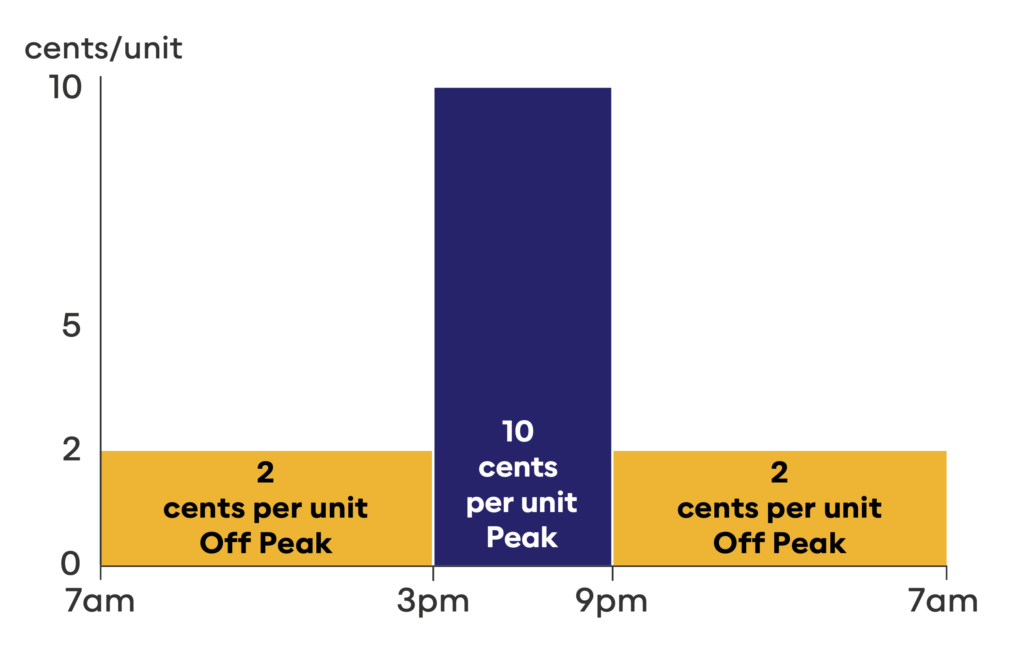
Step 6: Make sure your export payments are set up (If applicable—5 kW inverter limited). Synergy’s DEBS buyback rates (effective from 1 July 2025) pay 10c/kWh for net exports between 3 pm and 9 pm, and 2c/kWh at all other times.

ROI timeline

Definitions first:
kW (kilowatt) = the size of your solar system (how much power it can make at peak.
kWh (kilowatt-hour) = what you’re billed for (how much energy you used over time.

A 6.6 kW system in Perth, WA, produces ~6.6 × 4.5 kWh/day, or 30 kWh per day on average over the course of a year, totalling around 10,900 kWh/year.

What those kWh are worth depends on where they go:
Used in your home: avoids paying ~32.37c/kWh (Synergy A1 usage charge).
Exported to the grid: earns DEBS buyback, typically 2c/kWh most of the day and 10c/kWh 3pm–9pm.

2.1 Example: A simple, conservative savings range (no battery)

2.2 Example: “$4,990 out-of-pocket after STCs” from the 1.2 Example

  • Break-even: about 3.2–5.2 years (depending on self-use)
  • Net gain after 5 years: roughly -$190 to $2,910
  • Net gain after 10 years: roughly $4,610 to $10,810
  • Net gain after 20 years: roughly $14,210 to $26,610

Estimates: using Synergy’s 2025/26 import price and DEBS rates; your actual result depends heavily on when your appliances operate as part of your energy profile. The solar rebate accelerates the payback of a solar array investment, and the real financial benefit accumulates in years 3 to 5, depending on product selection.


Common first-time worries

Is this too complicated?

It doesn’t have to be. There are two directions customers will take to claim the solar rebate

A) Path of least resistance. If the quote is transparent and the STCs are applied as an upfront discount, you generally sign an STC assignment, and the agent handles the creation/sale pathway.

B) Highly complicated. Choosing to trade STCs through the clearing house will overcomplicate the situation, as regulations require comprehensive verification of STC generation. Solar companies use specialised software to reduce the barriers associated with this process

Yes—if you use a meaningful share of your solar during the day. Export payments are relatively small (2c most of the time), so solar rewards households that shift dishwasher/hot-water/, pool pump/laundry/airconditioning into daylight hours. 

Consider adding a battery to offset the remaining unavoidable evening consumption. State and federal battery rebates now make storage adoption more affordable than ever.

PSW and most solar companies don’t facilitate customers applying for or claiming their own STCs via the clearinghouse due to the high likelihood of extended complications.

Therefore, most mistakes happen at signing, not “applying.” The key is understanding what you’re agreeing to: (1) the STC estimate, (2) the STC value used, and (3) any clause allowing the price to rise if STCs can’t be created/transferred or are reduced due to your circumstances. 

Don’t buy solar just because someone says “rebates are ending/reducing.” The financially smart approach is simpler:

  1. Demand itemisation: STC count + $/STC + total discount.
  2. Read the STC/price-adjustment clause.
  3. Treat the system as a 20-year asset: pick equipment and an installer you’ll still trust when you need warranty support.

Remember: the rebate is a fast start, but your bill savings are the long game.  

Next steps to avoid decision paralysis

To begin a solar panel installation, review your recent electricity bill to calculate your daily average usage in kilowatt-hours (kWh/day). This metric will help clarify your energy needs. Decide on a primary goal for your solar system—whether it’s reducing your bills (typically around 6 to 10 kilowatts or more) or maximising your roof’s solar coverage.

Next, obtain at least 2 quotes from solar providers, and compare the total price, the Small-scale Technology Certificates (STCs) line item, and any clauses regarding price changes. In preparation for installation, consider adjusting your energy habits by moving at least one major load, such as hot water, laundry, or dishwashing, to daytime. This change can increase your solar energy consumption and reduce your payback period.

3 point assurance guide for the best solar companies in Perth

Derek McKercher being interviewed by Markus Lambert from Your Energy Answers (Dec 2025) regarding how PSW ranks as one of the best solar companies in Perth for 2026

As time passes, it becomes increasingly clear which solar companies in Perth stand out as the best. The industry has matured, making business listings valuable research tools and a valuable key indicator of past customer satisfaction for established companies. In contrast, newer companies may have outstanding review profiles due to a short history of installations, limited market exposure, and reduced aftercare commitments.

In 2026, consider evaluating the top solar companies in Perth using a measurable three-way gauge discerning service and product assurance over time:

Certification x Satisfaction x Business History = Assurance

Contents

Local guide: Perth Solar Warehouse ranks as one of the best solar companies in Perth (Top 3), Western Australia, according to SolarQuotes.com.au (Reference: Western Australia’s Best-Rated Solar Installers 2024,25)

Industry observations indicate that most customers prioritise how leading solar companies in Perth adapt to and support their clients over time, rather than simply focusing on sales volume. To refine this assessment, it’s helpful to prioritise local solar companies that show a strong commitment to aftercare. 

Organisations with a proven track record that aligns with NETCC endorsement and international business standards, such as ISO 9001 (Quality Management), ISO 14001 (Environmental Management), and ISO 45001 (Occupational Health and Safety), are more likely to provide high-quality solutions over an extended period.

Solid differentiators

Identifying the best solar companies in Perth can be a subjective process. If the criteria focus solely on installation volume, it may not accurately reflect how a company treats its customers in terms of aftercare and support over 8 or 12 years. Many companies achieve high installation figures by simultaneously completing multiple large jobs in a short period, which may not necessarily represent customer satisfaction or long-term service quality.

1.

1.1) Business certification to an internationally recognised standard. A leading company has the opportunity to establish effective business management within an audited framework. While the process may be comprehensive, it’s essential to understand that with sustainable energy now being a mature industry, ISO certification helps distinguish quality-oriented solar companies from mere marketing claims. Look for: ISO 9001 (Quality Management), ISO 14001 (Environmental Management), and ISO 45001 (Occupational Health and Safety Management).

1.2) NETCC certification to an ACCC-endorsed benchmark assisting customer protection standards. The New Energy Technology Code of Conduct is an annually reviewed guideline that most of the best solar companies in Australia adopt to aid product conformity and transparency in a purchase. Look for: The blue circle, New Energy Technology Approved Seller Logo.

2.

2.1) Diverse satisfaction. The internet offers a wide range of review platforms, and many solar companies channel energy into one or two targeted third-party sites. In contrast, lesser-known review platforms provide alternative perspectives. Observing a basic search, balance, or variation offers a more comprehensive understanding of the best solar companies in Perth, away from the noise. Look for: Inconsistencies comparing various platforms.

2.2) Volume of satisfaction [alone] should be a lesser guide in 2026. A significant margin will disproportionately represent marketers versus business owners/operators. Diverse platform satisfaction now reigns supreme, enabling a more accurate cross-platform comparison of a solar company’s reviews. Consider: Greater than +200 combined reviews over various mixed volume platforms.

3.

3) Time in business is a superior measurement in solar company refinement. Most manufacturer warranties are 10 years or longer in duration. Ensuring a local point of contact with defined aftercare is essential in a mature industry. Today, investing in energy products is only as good as the business that installs them. Enhance your return on investment with a proven power supply partner, recognised for its longevity and dependable business practices. Further refine selection, honing in on a company whose guarantee complements its operational history. Highly value: 10+ years

4.

Extra assurance:

4.1) Local roots. WA’s homegrown organisations are hands down the best solar companies in Perth. Local business gets you! It understands related ongoing needs and can better assist at times of support. A solar company’s operating hours aligned with Western Australia’s timezone improves operational assurance. Look for: a homegrown journey on the ‘About’ page of the company website.

4.2) In-house serviceability options provide customers with the level of time-based standardisation and system execution assurance they desire. A close-knit solar installation/service company with high-quality subcontract and in-house installation delivery will likely receive regular product care training due to an over-riding Electrical Contractor licence. Strongly consider: Solar companies with a West Australian Electrical Contractors (EC) licence number.

4.4) Physical commercial presence is one of the strongest indicators of a solar company’s commitment to the local region. Strongly reconsider: Solar companies with city office listings.

4.5) Cybersecurity and data privacy considerations are a vital indicator of an organisation’s commitment to value-defining aftercare beyond general support. It is imperative to evaluate the security measures in place to prevent unauthorised access to your home’s data by temporary staff.  Highly value: Cybersecurity and Personal Data Management Policies in 2026.

Street view of Perth Solar Warehouse and PSW Energy for Best Solar Companies Perth WA feature article

Physical commercial presence remains one of the strongest indicators of a solar company’s commitment to the local region. 

Best third-party measurement tools

Specifically, three well-known review platforms for solar companies in Perth are Google, SolarQuotes, and SolarChoice. While other options, such as ProductReview and TrustPilot, exist, it’s essential to recognise that these international platforms primarily serve organisational marketing purposes, offering enhanced listing benefits for a fee. Below are reputable platforms that, in our opinion, do not engage in review gating or where customers can gauge genuine business insight. 

Google is accessible to everyone. It’s an excellent tool for companies to stay vigilant about all interactions, even those from non-purchasing customers. Reassess: low review counts compared to company size/short earliest review timelines.

SolarQuotes.com.au is a controversial platform because it offers paid features for approved installers. Consequently, solar companies that receive leads from SolarQuotes often have a higher number of reviews than those that do not. One advantage of the reviews on SolarQuotes is that they follow up with verified customers, ensuring the authenticity of the feedback. These reviews are useful for customers trying to evaluate various aspects of an installer’s qualities. Most of the top solar companies in Perth are measured on this site, including those that are not subscribers.

SolarChoice.com.au is comparable to the SolarQuotes platform in terms of credible installer referrals (you’ll likely find a good one here). The installer review section is more recent, meaning the reviews for many of Perth’s currently recognised top-rated solar companies are lower in volume than on alternative platforms, which may lead to a more likely deviation. SolarChoice.com.au offers customers credible and free information throughout the research and support phases of their sustainable energy journey.

Forget Facebook reviews. Facebook’s most discerning feature is the business timeline! Are they a local community hero or a marketing outlet with limited long-term substance? Facebook provides a community-focused pulse of every business in 2026. Avoid: Marketing walls with no personal identity. Look for: Real humans (the people behind the brand).

Social presence and depth distinguish solar companies. Select a company with which you feel comfortable returning for operational queries and aftercare.

Customer experience x time

While there appears to be a multitude of solar companies competing for your project, only a select few will disclose their establishment. Establishment adds value to every warranty.

Its proven product warranties are only as good as the installation company behind it. Consider a 1-year company with a 10-year guarantee (1/10) vs a 10-year company with a 10-year guarantee (10/10). 

Experiences hold significant value when measured over time. A series of positive experiences in a short period can lessen the importance of customer reviews for those who prioritise aftercare and ongoing satisfaction. Further enforcing this perspective are AI business overviews. In 2026, the focus has shifted from the quantity of reviews to their depth and diversity. 

Strongly consider: Refining your shortlist of leading solar companies in Perth through individual research. Focus on platforms with low review counts (third-party websites with fewer than 50 reviews). Low-review platforms provide an enhanced cross-section for comparing the top solar companies in Perth. Heck, it’s the AI era. Prompt your ideal refinement criteria into your preferred AI search, including any specific requirements you have for a home energy system (enable extended thinking). 

Local guide: Perth Solar Warehouse ranks among the top solar companies in Perth, based on customer sentiment averages across Google and SolarQuotes.com.au since 2013.

Manufacturer allignment

Manufacturers count on reliable local solar companies to implement their products on-site, regardless of an individual’s credentials. SAA-accredited installers may not always remain affiliated with a single business for the entire duration of your warranty or support needs.

As a result, manufacturers endorse trusted partners to assist with their products. The best solar companies typically specialise in the product suite they work with, ensuring they are well-versed in specific installation practices. Manufacturer-certified installation businesses are often committed to product-specific, continuous professional development.

Local guide: Improving aftercare. Perth Solar Warehouse ranks among the top solar companies in Perth, backed by leading brand endorsements.

Industry recognition

There are many recognition systems in 2026 (awards/badges that many companies showcase). While peer review recognition is beneficial, it should rarely be a determining factor in a company’s shortlist for product consideration. You’re searching for the right fit, and not everyone’s a cowboy. Sustainable energy adoption is a worthy choice with a credible installer.

Award mechanisms can add weight when splitting hairs and are typically composed of aspects that fall short of the above criteria combined. A limited lens, these systems are fundamentally based on participation, excluding many reputable solar installation companies in Perth.

Nevertheless, participating solar companies have earned their peer-reviewed endeavours. Look for: Sunwiz, SolarQuotes, SolarNerds, Smart Energy Council, Clean Energy Council or leading manufacturing brand recognition.

Take them with a pinch of salt.

When considering 95% of solar companies Australia-wide, there’s now a mature industry formula for improved long-term product assurance: 

Certification x Satisfaction x Business History = Assurance

Perth Solar Warehouse connects with the broader Perth, Western Australia community through a streamlined, technology-focused electrification approach that emphasises itemised purchasing and responsive aftercare. If you’d like to experience the benefits of our technology and service built on two decades of local product satisfaction, contact the PSW Sales Support team.

Guide: Sigenergy SigenStor, the reimagined home “energy hub”

Sigenergy SIGENSTOR render with with five in one key features listed: Solar Inverter, EV DC Charger, Battery PCS, Battery Pack, EMS

A good home battery in Perth is no longer just “kWh on a wall”. In 2026, battery value is mostly decided by (1) how well the system shifts energy away from Synergy’s expensive late-afternoon/evening period, (2) how cleanly it integrates backup power for outages, and (3) whether it can grow with your household—EV charging, added storage, bigger solar, or tariff optimisation.

Quick insight

Sigenergy’s SigenStor platform remains one of the more compelling “ecosystem” entrants because it was built as a modular, DC-coupled architecture from day one: an energy controller (hybrid inverter) plus stackable LFP battery modules, with optional gateway (backup) and EV DC charging.

Contents

A reimagined concept. Sigenergy SigenStor is transforming home energy management with a modular approach. Central to this system is the Sigen Energy Controller, a hybrid inverter that efficiently converts solar and battery DC power for household or grid use, featuring multiple MPPT inputs for optimal efficiency. Homeowners can customize their energy storage using stackable Sigen Battery modules available in 5.2kWh or 7.8kWh capacities.

Additional components like the Sigen Gateway provide blackout functionality and backup load control, ensuring continuous power during outages. For EV owners, the Sigen EV DC charging module offers fast charging and bi-directional V2X technology. This system allows for a tailored energy setup that can be easily expanded to meet growing needs, all without major renovations.

Which to consider?

Step 1Single-phase or three-phase power supply. Most Perth homes are single-phase; larger homes and businesses (big ducted AC, workshops, bigger EV loads) are more often three-phase. Your power supply affects controller selection, backup design, and the amount of instantaneous power the system can supply.

Step 2Choose the right foundation (controller power class). From a technical perspective, key controller attributes include PV voltage window, MPPT count, and conversion efficiency, as these influence design flexibility and yield over the long run. For example, the controller supports up to 4 MPPTs and high DC input voltage, which helps when Perth roofs have mixed orientations (east/west splits, partial shading, multiple strings).

Step 3 Size battery capacity to your “after 3pm” usage. In WA, the economic problem batteries solve is the high cost of electricity in the late afternoon/evening. If most of your consumption happens after 3pm (cooking, AC, pool pumps, EV charging), storage value rises quickly.

A clean sizing rule for most WA households:

  • Scale in 8 kWh of Sigenstor battery modules for the best value per kWh of storage.

  • Balance-of-system costs (gateway, commissioning, switchboard work) don’t scale linearly.

SigenStor makes staged expansion straightforward because the controller supports 1–6 battery modules.

Backup power: what to expect

If blackout protection matters, design it explicitly. The Sigen Gateway is the enabling component for backup operation, and it supports whole-home or partial-home backup depending on site constraints and how circuits are configured. What this means:

EV charging and V2X

Sigen EV DC charging is one of the platform’s standout differentiators. The module supports up to 12.5kW or 25kW charging and discharging, CCS2 interface, wide operating voltage range, and IP66 protection. 

Two important caveats:

  • Bi-directional” is not just the charger. Your EV model must support the required V2X behaviour, and manufacturers publish compatibility lists that change over time.
  • Any export-to-grid behaviours can be subject to local network approvals and program rules. Treat V2X as a capability you plan for—not a guarantee you’ll use day one.

For most Perth homeowners today, the immediate benefit is simpler: faster solar-optimised EV charging that keeps more of your solar on-site instead of pushing it to the grid.

Warranty and long-term ownership

The Sigen Battery and Sigen Energy Controller are covered by a 10-year product warranty, while the EV DC charging module has a shorter warranty period of 3 years. The battery performance warranty includes details on energy retention and throughput.

Additionally, the warranty document emphasises the importance of connectivity, outlining expectations for internet connection and specifying the consequences if the system is disconnected for extended periods. Here’s what’s materially relevant in Sigenergy’s current warranty terms:

Covered Product
Covered Part*
Warranty Period
SigenStor
Sigen Battery
10 years
Sigen Energy Controller
10 years
Accessories
Sigen Energy Gateway
5 years (upgradeable)
Sigen Power Sensor
2 years
Sigen Communication Module
2 years

Our position at PSW: we size and configure systems so you’re not “using the warranty” often. That means conservative switchboard integration, correct thermal placement, and commissioning discipline—not just selecting a brand.

Warranty Download

Video: Sigenergy Gigafactory SigenStor production facility, Shanghai

WA rebates, VPPs, tariffs and ROI examples

WA incentives: meaningful in 2026. The WA Residential Battery Scheme is live and is explicitly structured around VPP participation. It states combined rebates (state + federal program) of around $5,000 for Synergy customers on a 10kWh battery (and higher for Horizon Power regions), plus eligibility for no-interest loans (income-tested) up to $10,00 over 10 years via Plenti qualification.

Joining a VPP can create additional value streams (for example, event credits). The VPP agreement is time-limited for an initial 2-year period, then an option to opt out (not a permanent lock-in). Lean more ›

Synergy pricing reality: the “battery window” is late afternoon/evening. On Synergy’s Midday Saver time-of-use plan (effective 1 July 2025 pricing), the peak period is 3pm–9pm with a materially higher usage charge than the super off-peak daytime window.

Illustrative payback mechanics (simplified). Example household: 20kWh/day, with ~10kWh occurring during 3pm–9pm (AC, cooking, pool, EV top-up).

If a battery reliably supplies 8–10kWh into the 3pm–9pm window, the value per kWh is roughly the peak import price avoided (less round-trip losses). On Midday Saver, that peak usage charge is 53.8446c/kWh.

Very rough annualised value for shifting 10kWh/day into peak avoidance:

  • 10kWh/day × $0.538 ≈ $5.38/day

  • ≈ $1,950/year before losses and seasonal variation (then discount for round-trip efficiency, weather, and behavioural reality)

This is why “battery ROI” in Perth is mostly a load-shape conversation. Two households can buy the same battery and see totally different economics depending on whether their usage is daytime-heavy or evening-heavy.

Important: don’t build your ROI model on best-case export assumptions. Batteries win primarily by reducing high-priced imports, not by selling energy back. Any VPP credit upside should be treated as a bonus layer—not the foundation.

Competitive landscape: Where Sigenergy fits

In 2026, Perth’s battery market broadly falls into four groups:

  1. Premium “single box” batteries with strong brand pull

  2. Modular HV/LV stacks paired to hybrid inverters (often very cost-effective per kWh)

  3. Ecosystem-first solutions (battery + monitoring + load control + EV integration)

  4. VPP-aligned offerings optimised for orchestration and grid services

SigenStor’s competitive edge in Perth is that it competes in (2) and (3) at the same time: it’s modular like the best stack systems, but it also offers an integrated pathway to backup and EV DC charging with V2X capability.

If you’re comparing SigenStor to alternatives, the three “apples with apples” checks we recommend are:

  • True usable kWh and staged expandability (not just nominal capacity).

  • Backup inclusion and backup design scope (whole-home vs essential loads).

  • EV roadmap: whether EV integration is bolt-on AC charging or genuinely integrated DC/V2X capable.

If you’re researching a Sigenergy SigenStor battery in Perth, the fastest way to get an accurate answer is a structured assessment:

1. Confirm phase (single vs three-phase) and switchboard constraints

2. Pull interval data (or bill + usage pattern) to quantify your 3pm–9pm demand window

3. Decide whether backup (if required) is essential loads or whole-home

4. Size the first-stage battery (and map your expansion path)

5. Validate eligibility pathways if you’re targeting WA rebates/VPP participation

Perth Solar Warehouse can provide a SigenStor assessment and proposal that’s specific to your roof, tariff, and household load shape—rather than generic “battery brochure math”.

Navigating the Synergy solar feed-in tariff with ease

Synergy Solar Feed in Tariff Perth WA by Perth Solar Warehouse

If your power bills have been climbing and it feels like you’re doing everything “right” but still paying more, you’re not alone. The good news is that if you consider adding rooftop solar, Synergy’s solar feed-in tariff can provide a credit on your bill for the electricity you don’t use at home and send back to the grid.

Contents

What Synergy’s “solar feed-in tariff” is
When your solar panels generate more electricity than your home uses, the excess power can flow back to the grid. Synergy tracks that exported electricity and applies a credit to your bill under the Distributed Energy Buyback Scheme (DEBS).

What this means for your bill
The credit helps, but it’s not the main event. Most homeowners save the most money by using more of their solar power at home first (for example, running appliances during the day). The export credit is a helpful extra, more so if you can export during the higher-rate window.

Two time windows, two credit rates
DEBS pays one rate during the late afternoon and evening (when demand is higher), and a lower rate at other times. This can feel frustrating, but it also provides a simple strategy: try to shift some usage into the daytime and let more export occur later in the afternoon when possible.

Price schedule

Updated annually: Synergy DEBS pricing schedule effective 1 July 2025 for South West Interconnected System (SWIS) customers only.

Distributed Energy Buyback Scheme Rate
c/kWh
Peak – Between 3pm and 9pm
10
Off-Peak – Before 3pm or after 9pm
2

One-off charges

Fortunately, the savings from a solar energy system often offset these initial costs within the first month or two. Before applying for anything, it’s essential to understand the associated costs that will be reflected on your next Synergy bill.

Fees
Cost
DEBS administration fee
$7.53 (inc GST) per account

Plus…

Metering costs to switch to DEBS
Cost
Meter upgrade fee (or)
$108.08 (inc GST)
Meter reprogram fee
$109.25 (inc GST)

Possible extra equipment: In limited cases, the network operator may require additional communications equipment at the meter, incurring an extra cost.

Synergy Solar Feed-in Tariff/ DEBS Pricing Schedule: Download ›

Eligibility checklist

Use this checklist to quickly work out whether you’re likely eligible, without wading through pages of fine print. If you tick most boxes, your next step is usually an application (often handled by your installer).

Quick eligibility (most homeowners)

  1. You’re a Synergy customer (generally Perth and much of the south-west).

  2. You’re a residential customer, or you’re an eligible not-for-profit or educational organisation.

  3. Your system size is within the scheme limit (commonly “5 kW or less” for the main device that connects your solar to the home and grid).

  4. You (or your installer) will apply to connect the system and obtain approvals from both Synergy and the network operator (Western Power in most Synergy areas).

  5. You’ll have the right meter in place so exported electricity can be measured correctly.

  6. You can accept the DEBS contract terms when prompted during the process.

If you already have solar and you’re upgrading

  1. If you change your system (for example adding more panels or making other upgrades), you typically need to notify/apply again so the right approvals and metering settings are in place.

  2. If you were on an older buyback arrangement, upgrading may move you onto DEBS rates.

If you have (or want) a battery

  1. Battery exports can be credited under DEBS (the same buyback rates can apply to exported electricity).

  2. Make sure it’s set up correctly by your installer so you stay compliant with local network requirements.

Family on couch with energy monitoring on a tablet for the post: Synergy Solar Feed-in-Tariff

Application steps

The process is simpler than it sounds when broken down. Here are the steps most homeowners follow. Step-by-step: how to get onto Synergy’s DEBS:

Note: Solar installation companies managing your project with an installation target date beyond three months may reserve application submission until within 90 days of the target installation date.

Important: Applying with Synergy and Western Power will add fees to your next Synergy bill.

Frequent questions

Will this actually reduce my power bill?

Using solar power at home first usually leads to the most significant reduction in your electricity bills. While the export credit is valuable, especially if you often send power back to the grid during peak rate times, it’s more of a token credit on top of the savings achieved from self-use.

It depends on how much unused electricity your home exports and when that export occurs. If you’re trying to estimate savings, start simple:

  • check how often you’re exporting now (some bills or monitoring apps show it),
  • assume some exports occur outside the higher-rate window,
  • treat export credits as a “nice extra” rather than the primary driver of payback.

Observation: It is rare to see a DEBS bill credit exceeding $30 for each bimonthly billing cycle.

Yes. DEBS credits apply to the first 50 kWh of exported units per day, per premises. For most homes, this limit is unlikely to be a problem; however, it’s essential to be aware of its existence.

You can still receive export credits with a battery, and exported electricity from a battery can be credited under the same DEBS buyback rates. The practical difference is that a battery may help you store more of your solar energy for evening use, which can reduce the amount you need to buy from the grid.
Once the correct metering is set up and you have accepted the DEBS terms, you will see credits on your bill listed as two separate line items, one for each rate. If you have moved into a home with an existing system, you may start receiving DEBS rates immediately upon your move-in, provided you meet the eligibility requirements and complete the application and metering processes.
Start with one or two easy switches: run the dishwasher or washing machine during the day, and avoid running everything at once in the evening. Even small changes can reduce the amount of electricity you need to buy at full retail prices.
 
Tip: Consider using your Air Conditioner as a battery (thermal mass) in the middle of the day, even when you’re not at home. By using excess solar energy when it is abundant, you can avoid high energy demand later in the day. Always measure your energy load with an energy consumption monitor to ensure that your air conditioner operates within the range of your solar production.

Perth Solar Warehouse attains Sigenergy Gold Certified Installer status

Perth Solar Warehouse has attained Sigenergy Gold Installer status, Sigenergy’s highest non-exclusive product partner tier. This milestone recognises consistently high standards in the delivery of Sigenergy battery storage systems, from design and installation through to commissioning, handover, and ongoing support. Backed by the wider PSW Energy team (50+ staff operating across greater Perth and South West, WA), Gold status reflects a capability that can be delivered repeatedly at scale, without compromising quality.

Quick insight

Contents

Battery storage is now a mainstream consideration for Perth homeowners seeking greater energy independence, better self-consumption, and resilience during grid disruptions. In a fast-moving market, manufacturer-backed installer tiers provide a practical shortcut: they indicate which businesses can integrate and support battery systems to a consistent benchmark — not just sell the hardware.

Achieving Gold Installer status positions Perth Solar Warehouse among the leading delivery teams for Sigenergy systems in Western Australia, with the operational depth to maintain quality across a growing volume of installs.

What Sigenergy Gold Installer status means

Sigenergy’s installer recognition tiers are designed to reflect real-world delivery capability, not marketing claims. Gold Installer status typically aligns to high performance against criteria such as:

  • Completion of advanced manufacturer training and ongoing technical upskilling

  • Proven competence in battery system design, installation, and commissioning standards

  • Strong quality assurance and documentation practices

  • Customer satisfaction outcomes and dependable post-install support pathways

In short, Gold status is a manufacturer-aligned signal that the business can install, configure, and support Sigenergy systems to a consistently high standard.

Why it matters

For homeowners, the installer determines whether a battery system performs predictably over the long term. Gold status matters because it points to stronger execution in the areas that most affect household outcomes:

  • Correct sizing and design for your usage profile, tariffs, and future electrification plans

  • Clean integration with existing solar, switchboards, and protection devices

  • Proper commissioning, monitoring setup, and a clear handover so the system is actually usable

  • Aftercare that’s structured and responsive if settings, firmware, or system behaviour needs attention

This is particularly important for households considering backup-capable configurations, where commissioning accuracy and safe integration are non-negotiable.

Built on scale, standards, and support

Perth Solar Warehouse’s Gold milestone is underpinned by the broader delivery backbone of PSW Energy, forming a combined 50+ person operation servicing the Perth and South West region of Western Australia. That scale matters because it enables consistent training, standardised processes, and stronger continuity of service over time.

Gold status reflects more than product knowledge; it reflects how you deliver, commission, and support systems day after day,” said Derek McKercher, Director. “For homeowners, it’s a confidence signal that the installation and aftercare will match the quality of the technology.

Gold status is a benchmark to maintain. Perth Solar Warehouse will continue investing in training, commissioning discipline, and customer education so every installation meets the same standard — whether it’s a first battery, a retrofit, or a future-ready system designed for electrification.

Partner with a recognised expert

If you’re considering a battery for your home, Perth Solar Warehouse can assess suitability, sizing, and expected outcomes, then recommend a configuration aligned to your usage and budget. Contact Perth Solar Warehouse to discuss a Sigenergy battery storage solution or request a tailored assessment.

Eligibility: WA battery rebate & interest-free loan

Fronius GEN24 hybrid inverter pictured with a BYD battery in a classic home representing the proposed WA solar battery rebate/Residential Battery Scheme.

Updated for 2026 program rules. Original article posted 12 June 2025.

Western Australia’s battery rebate and no‑interest loan program is no longer “proposed”. The WA Residential Battery Scheme opened on 1 July 2025 and is currently operating across both Synergy and Horizon Power customer areas. The scheme provides a WA Government rebate (discounted off the installed battery cost) and, for eligible households, an optional no‑interest loan administered by Plenti. Participation in a Virtual Power Plant (VPP) is a core requirement.

Contents

What you can get in 2026 (WA Residential Battery Scheme only)

The scheme provides a WA Government rebate that reduces the installed cost of an eligible home battery. The rebate is calculated per kWh and capped at 10 kWh. The rebate rate depends on your electricity service area:

• Synergy: $130 per kWh (up to $1,300 for 10 kWh)
• Horizon Power: $380 per kWh (up to $3,800 for 10 kWh)

No-interest loan (optional, means-tested). If you qualify, the scheme also includes a no-interest loan administered by Plenti:

• Loan size: $2,001 to $10,000
• Term: 3 to 10 years
• Interest: 0% (fixed)
• Credit assessment applies (Plenti administers applications, approvals and repayments)
• Household gross annual income must be under $210,000 (means-tested)

What the loan can cover: Scheme guidance states the loan can be used for the battery and related new or upgraded equipment (such as inverters and solar panels), provided it’s installed as part of a battery package under the scheme.

Note on federal incentives: Federal incentives are separate from the WA scheme and have their own eligibility rules and timing. If you want a WA-specific explanation of current federal battery incentive changes, 13 Dec 2025, Learn more ›

Fast eligibility check (30 seconds)

You are likely eligible for the WA battery rebate if all of the following are true:

If you want the no-interest loan as well, your household’s gross annual income must be under $210,000, and you’ll need to meet Plenti’s credit requirements.

Eligibility criteria

1. Who can apply (applicant). You must:
• Be a permanent resident of Australia
• Be 18 years or older
• Be a Synergy or Horizon Power customer

For the loan, you must also have a household gross annual income under $210,000 (verified as part of the application process).

2. Property rules (homes). Eligible properties include:
• Residential properties in WA (including some rentals, with the required permissions)
• Owner‑occupied homes and long‑term rental scenarios can be eligible, provided the correct owner/tenant approvals are in place

Common property disqualifiers to watch for: 

  • Non‑residential premises
  • Properties owned by excluded entity types (for example, certain government and institutional ownership categories listed in scheme guidance)
  • Apartments/strata where electricity is supplied through an embedded network (eligibility can depend on billing and metering arrangements)

3. Battery and inverter rules (product eligibility). At a minimum:

• The battery must be new and at least 5 kWh usable capacity
• The battery and inverter must be on the approved lists for your area (for example, Synergy supported solutions or Horizon Power approved lists) and meet technical requirements
• Components must align with relevant standards and approved product listings where required by the scheme and network rules

4. VPP participation is mandatory. To access the WA battery rebate and/or loan, households must participate in a Virtual Power Plant (VPP).

What joining a VPP means

A VPP links participating household batteries so stored energy can be dispatched at certain times (for example, during peak demand events), under the terms of the VPP agreement.

The scheme materials state the VPP agreement period is two years, after which participants can opt out.

The scheme guidance also notes some existing solar systems may need upgrades to meet remote management requirements and current electrical standards (often described as “whole of site compliance”). This can include replacing or upgrading components and/or wiring.

How to apply in 2026 (current process)

The application pathway has effectively been standardised:

Step 1: Confirm eligibility. Start with your retailer area (Synergy vs Horizon), residential property status, and whether you’re willing to join a VPP (required).

Step 2: Choose an accredited vendor. Applications are submitted by scheme-approved vendors (homeowners don’t lodge rebate applications directly).

Step 3: Select approved products. Your vendor should confirm the battery/inverter combination is on the relevant supported solutions lists and meets technical requirements.

Step 4: Vendor submits the rebate application (and the loan process, if needed). If you opt for the loan, Plenti will contact you to complete the income and credit assessment steps.

Step 5: Install and connect (including VPP onboarding). The scheme includes timing constraints and compliance steps. Practically: don’t treat conditional approval as open-ended—book installation promptly once approved.

Program duration and availability. The WA Government has stated the scheme will run until the allocated number of rebates is used (up to 100,000). Availability can change with uptake, so it’s worth checking funding availability before you proceed.

How this compares to other solar incentives in WA (2026)

1. Federal STCs for solar panels. Most rooftop solar systems in Australia are supported through STCs under the federal Small-scale Renewable Energy Scheme, typically delivered as an upfront discount at point of sale.. Guide: Solar rebate Perth & Bunbury region simplified (zone 3) ›

2. Federal Cheaper Home Batteries Program (battery STC discount). This federal initiative supports the combined WA Residential Battery Scheme guidance for a 10 kW battery as part of the initial scheme, offering $5,000 from Synergy and $7,500 from Horizon. The state announced these rebates to promote the broader distribution of this program. Announced December 13 2025, the Federal Cheaper Home Batteries Program’s value dilutes ›

Cheaper Home Batteries Program key points (as of 2 January 2026 on the Clean Energy Regulator’s program page):

• Around a 30% upfront discount, gradually decreasing until 2030.
• Eligible battery nominal capacity: 5 kWh to 100 kWh.
• STCs calculated on usable capacity; claimable for the first 50 kWh of usable capacity.
• Must be installed with a new or existing solar PV system
Installed by an appropriately accredited installer (such as PSW) and compliant with standards

What’s different about the WA battery rebate: it’s a state co‑contribution that stacks with the federal battery STC discount and is specifically tied to VPP participation.

3. Feed‑in tariffs/export credits Export credits in WA are generally time-based rather than a single flat rate. In the Synergy (SWIS) area, the Distributed Energy Buyback Scheme (DEBS) uses peak and off-peak export rates. In Horizon Power areas, buyback rates can vary by location and product.

Synergy (SWIS): Distributed Energy Buyback Scheme (DEBS) price schedule (effective 1 July 2025) lists:

• Peak export (3pm–9pm): 10 c/kWh
• Off‑peak export (before 3pm or after 9pm): 2 c/kWh

Why this matters when comparing “battery vs no battery”: batteries are often most valuable when they reduce imports during expensive peak demand periods (and when they shift midday excess solar into evening self‑consumption). DEBS is a credit for exports; it doesn’t replace the value of avoiding retail-priced imports.

Horizon Power: buyback rates vary by town + Community Wave options. Horizon Power’s buyback pricing factsheet (1 July 2025 to 30 June 2026) shows DEBS export rates by town classification, for example:

• Low‑cost towns: 3.00 c/kWh off‑peak; 10.00 c/kWh peak
• Medium‑cost towns: 11.33 c/kWh off‑peak; 37.76 c/kWh peak
• High‑cost towns: 16.80 c/kWh off‑peak; 55.99 c/kWh peak

The same document describes a “Buyback Bonus” available to Community Wave customers, with seasonal and time‑of‑day rates (Community Wave is Horizon Power’s VPP offering).

Examples: who qualifies and who doesn’t

Homeowner on Synergy, buying a new 10 kWh battery from an accredited vendor such as PSW

Will join an eligible VPP

Result: likely eligible for the WA rebate and the combined rebate outcome, subject to approved product lists and installation compliance.

Same criteria as Example A, household gross income under $210,000

Result: may be eligible for the no‑interest loan (credit assessment applies).

Tenant on Synergy with the landlord’s written consent to install a battery

Result: potentially eligible if approvals are in place; confirm early because ownership/tenancy paperwork is commonly required.

Battery installed before 1 July 2025

Result: not eligible for WA rebate/loan; and federal STC rules also require the battery to be certified as installed on/after 1 July 2025 for eligibility.

Apartment/strata with electricity supplied via an embedded network or body corporate arrangement

Result: eligibility can be complex; the WA scheme is linked to having a Synergy or Horizon account for the premises, and the WA Government flags these arrangements as case‑by‑case.

Next steps

If you believe you qualify, the most effective next step is to move from “reading” to “documentation”:

1. Confirm your retailer area (Synergy vs Horizon) and whether you’re willing to join a VPP.

2. Get an itemised quote from an accredited vendor using approved battery + inverter options. Consider Perth Solar Warehouse.

3. If you want the no‑interest loan, pull your most recent tax return (the scheme guidance references verification against tax returns) and be ready for Plenti’s credit assessment process.

Perth Solar Warehouse, under the co-owned brand PSW Energy, is listed by Plenti as an accredited WA Residential Battery Scheme vendor (Synergy area). If you want us to check eligibility against the current approved lists and lodge the rebate application through the correct channel, request a battery quote and note whether you’re also considering the no‑interest loan.

What has changed since the original pre-rebate article

  1. The scheme is live, not “soon‑to‑be introduced”.
    Applications opened on 1 July 2025 and are submitted via approved vendors.
  2. The rebate is not a flat “$500 per kWh” WA payment. As of June 30, 2025, ahead of the operating scheme, the WA portion is redistributed as $130/kWh (Synergy) or $380/kWh (Horizon) offer, capped at 10 kWh, and the larger “up to $5,000 / $7,500” figures now reflect stacking with the federal battery STC discount.

  3. VPP participation is not optional.
    It’s a stated eligibility requirement for the WA rebate and loan.

  4. Application hygiene matters more.
    Consumer Protection has explicitly warned households to use care with pre‑scheme sales tactics and to avoid high‑pressure marketing; in 2026, the practical equivalent is: verify vendor accreditation, insist on itemised quotes (showing rebates/discounts separately), and check product approvals before paying deposits.