West Australian guide for the Fronius home energy ecosystem

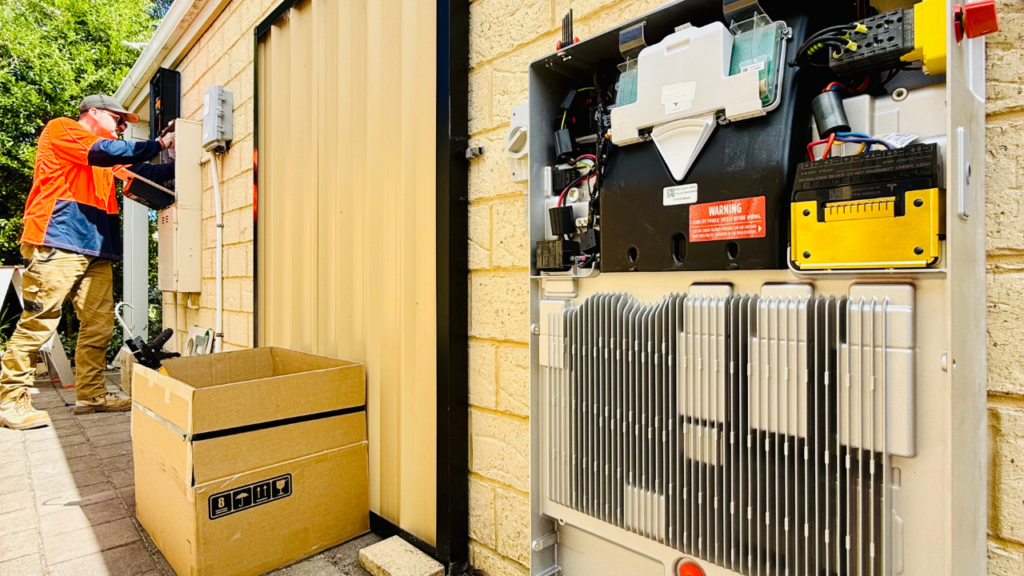
New Fronius Inverter (GEN24) on a concrete wall with a female technician checking the app

A Fronius home energy system in 2026 is best understood as a connected ecosystem rather than a single product. The inverter still matters, but it’s really the “traffic controller” that coordinates solar generation, household consumption, export limits, optional storage, EV charging, and hot-water diversion, then presents it all in a single monitoring environment (Solar.web).

Quick insight

Contents

For West Australian homeowners, that ecosystem concept is now fundamental. Daytime exports are typically paid at low rates under DEBS (commonly 2c/kWh outside the 3–9 pm peak window), so the system that helps you use more of your solar at home, rather than exporting it, tends to deliver the better outcome.

Why the ecosystem matters in WA

WA policy and network settings increasingly reward “use what you generate” rather than “export everything”.

DEBS makes daytime export relatively low value. Synergy’s published DEBS buyback rates from 1 July 2025 are 10c/kWh for 3–9pm peak and 2c/kWh at other times. That puts a premium on shifting consumption into solar hours, or storing solar for evening use.

WA also has additional requirements around inverter capability and export limiting. For example, WA’s Emergency Solar Management information notes that systems at 5 kW or less must be capable of being remotely turned down/off, and systems above 5 kW need export limiting (e.g., 1.5 kW or 5% of inverter capacity, whichever is greater).

The practical takeaway: a Fronius “ecosystem build” (meter + monitoring + controllable loads + storage option) is a direct response to how WA homes are increasingly expected to behave on the grid.

Building blocks of a Fronius home energy system
Fronius Solar.web Portal

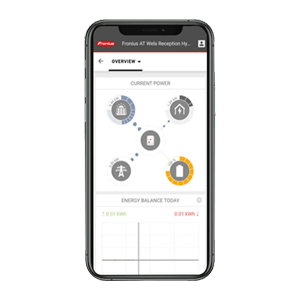
A) Solar.web (system overview). Solar.web is Fronius’s monitoring platform designed for homeowners, providing a comprehensive view of energy yield, consumption, and system status in one convenient location. This platform is essential for achieving better service outcomes, as Fronius offers automatic service notifications and quicker remote fault resolution for compatible devices.

What this means for homeowners is that you can not only monitor how much solar energy is being generated, but also assess whether your household is using that energy effectively. Additionally, potential issues can be identified and addressed earlier.
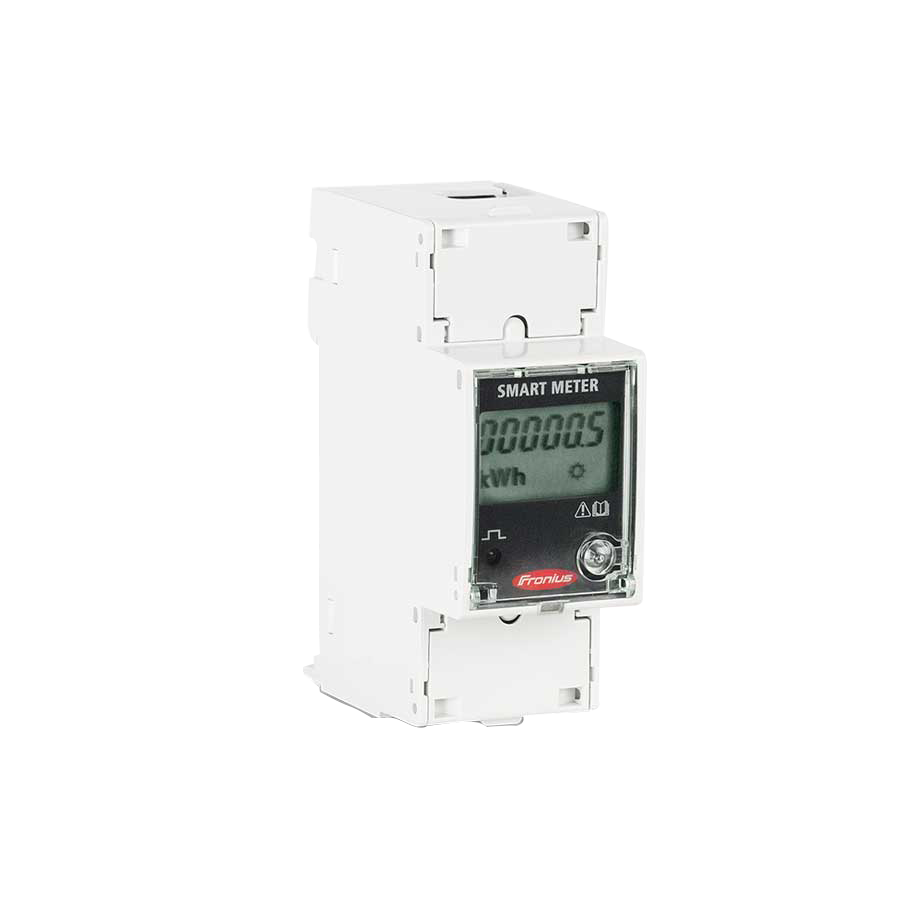
B) Fronius Smart Meter (power sensor). Fronius describes the Smart Meter as a bidirectional meter that optimises self-consumption and records a household load curve. It is not merely an optional component in an ecosystem; rather, it serves as the critical measurement point that informs the system about conditions at the grid connection.

For homeowners, the distinction is significant; instead of simply saying, “I have solar,” they can say, “I can see my import/export data and manage it effectively.”

Fronius Multiflow GEN24 Inverter

Illustrative purposes. The Fronius GEN24 inverter is not DC-coupled compatible with a wind turbine. 
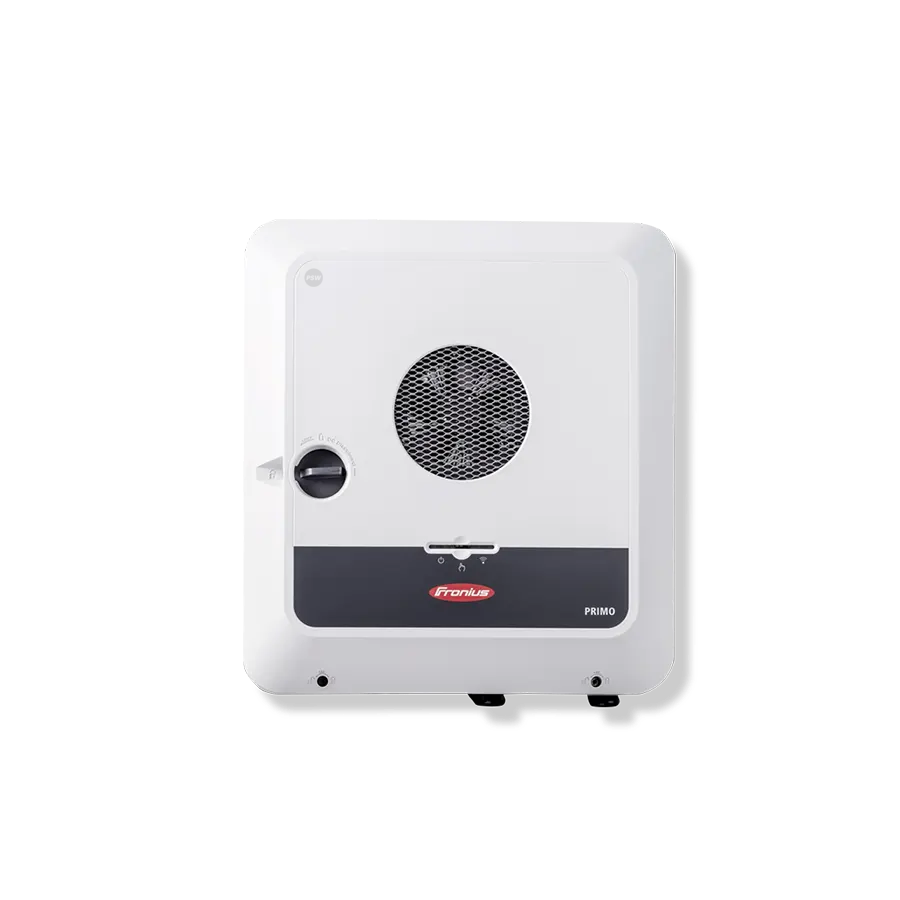
C) The Controller: GEN24+ Hybrid Inverter (Primo/Symo). In the context of an energy ecosystem, the inverter’s primary function is to convert direct current (DC) solar energy into alternating current (AC) for household use and to manage energy flows and device logic. Two key features are particularly important for ecosystem functionality:

  1. Hybrid Readiness: This refers to the ability to integrate a battery storage system.
  2. Backup Power Options: This includes PV Point and full backup capabilities, also known as blackout protection.
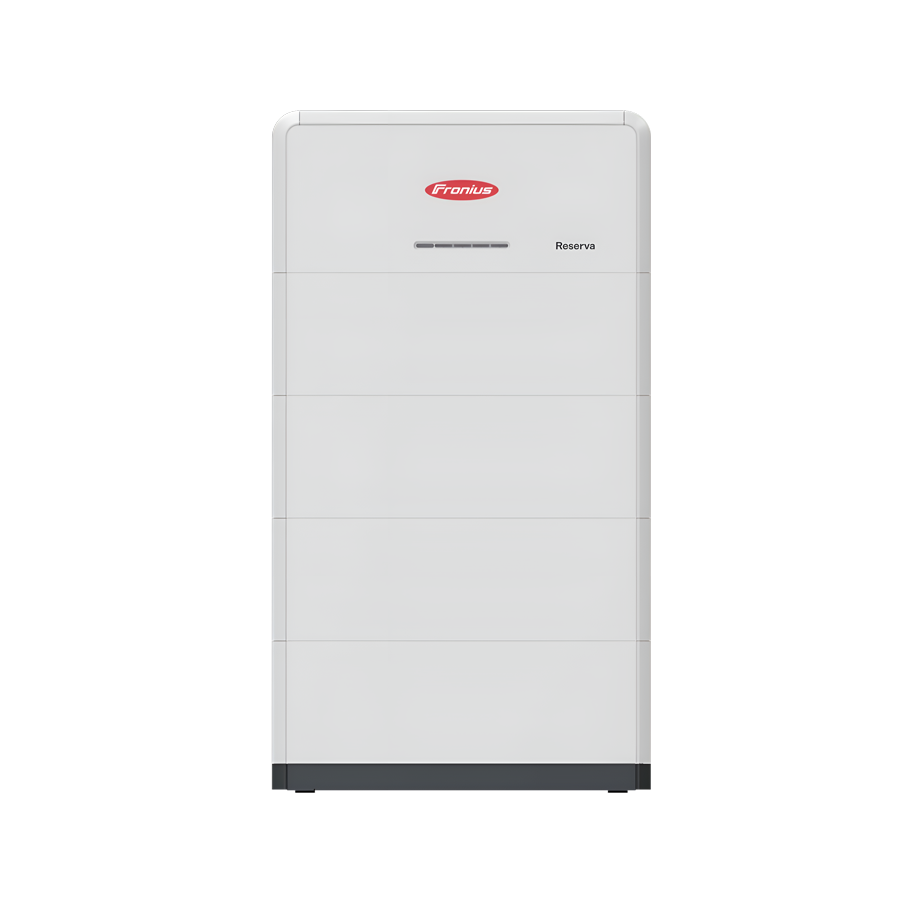
D) Fronius Reserva battery. The Reserva is designed by Fronius as an energy storage system perfectly matched to its hybrid inverters, enabling seamless integration into a photovoltaic (PV) system.

Fronius offers a usable capacity range from 6.3 to 15.8 kWh per tower, utilising two to five battery modules. Additionally, the company assures that system data is stored on servers located in Europe, which addresses privacy and security concerns for some homeowners.

For homeowners, this means there is now an in-house battery option from Fronius designed to work harmoniously within the same platform and service framework.
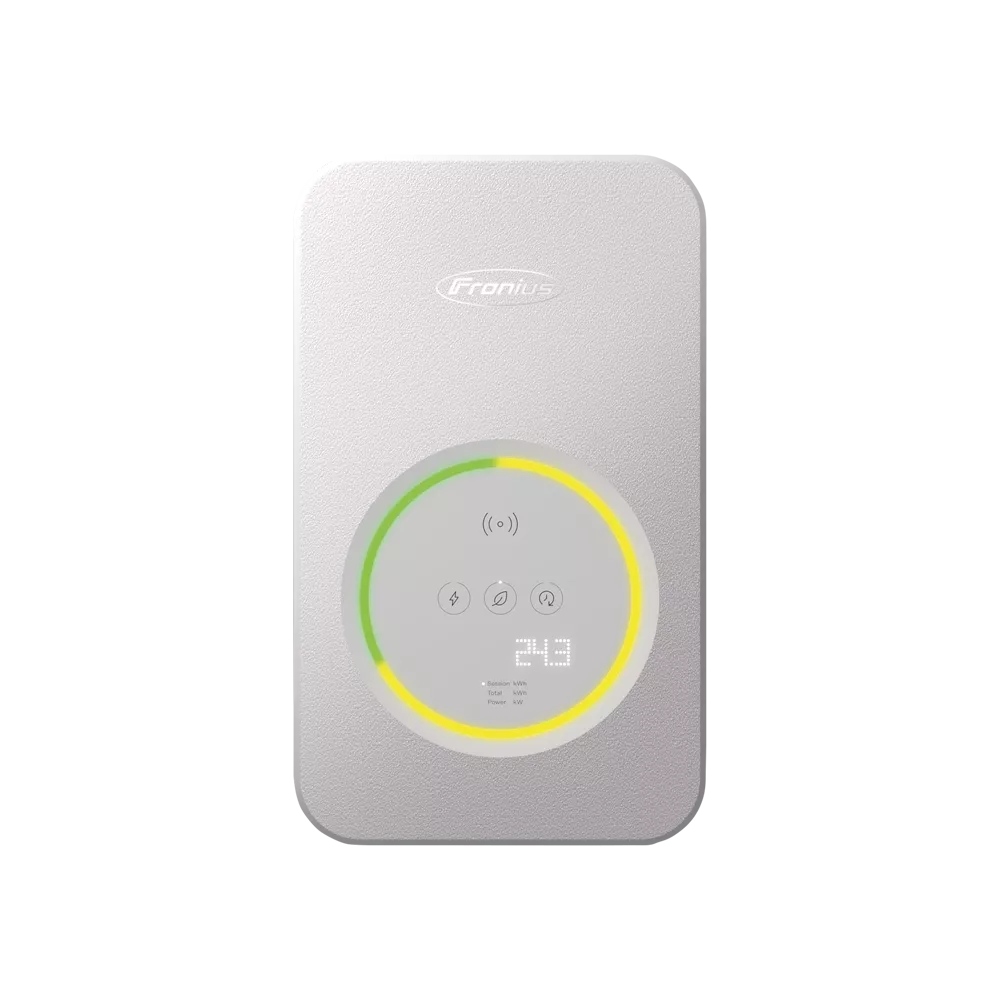
White Fonius Wattpilot Flex

E) Wattpilot Flex (EV charging as an ecosystem load). Fronius positions Wattpilot Flex as an EV charging solution that optimally uses PV surplus energy to charge the vehicle.

What it means for a homeowner: if you have (or will have) an EV, the system can treat charging as a controllable load that soaks up solar surplus instead of exporting it.
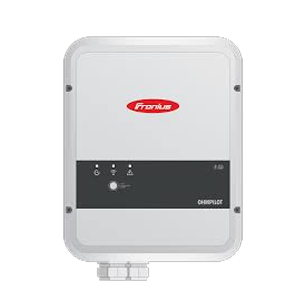
Fronius Ohmpilot

F) Ohmpilot (hot water as an ecosystem load). Fronius describes Ohmpilot as a consumption regulator that uses surplus PV energy to heat water, with continuously adjustable regulation from 0 to 9 kW.

What it means for a homeowner: your hot water system becomes a “thermal battery”, using solar surplus in a controlled way.

3 Scenarios: How Fronius's energy system works

Person checking phone near Fronius GEN24 inverter.

Scenario 1:

“Solar first” household wants better bills without a battery (yet) 

Build: GEN24+ + Smart Meter + Solar.web

What happens: Solar.web shows when you’re exporting at low value; Smart Meter data helps you shift dishwasher/laundry/pool pump into solar hours. You’re using the ecosystem to change behaviour first, before buying storage.
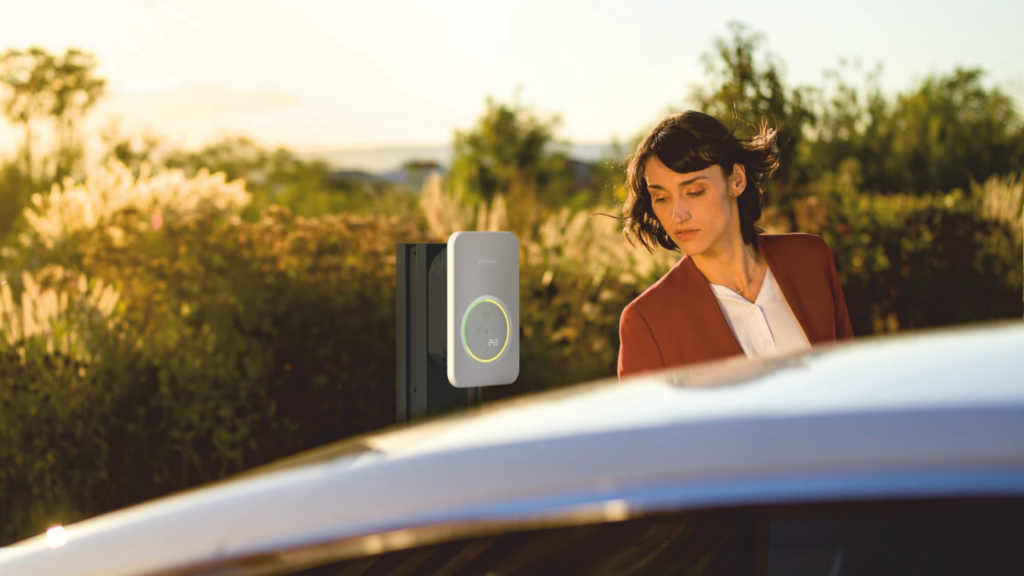
Person near Fronius Wattpilot Flex electric vehicle charger.

Scenario 2:

EV household that wants solar to cover driving

Build: GEN24+ + Smart Meter + Wattpilot + Solar.web

What happens: Wattpilot uses PV surplus charging logic to turn exported solar into kilometres driven. It’s one of the most direct “ecosystem wins” in WA because it converts low-value daytime export into high-value self-use.
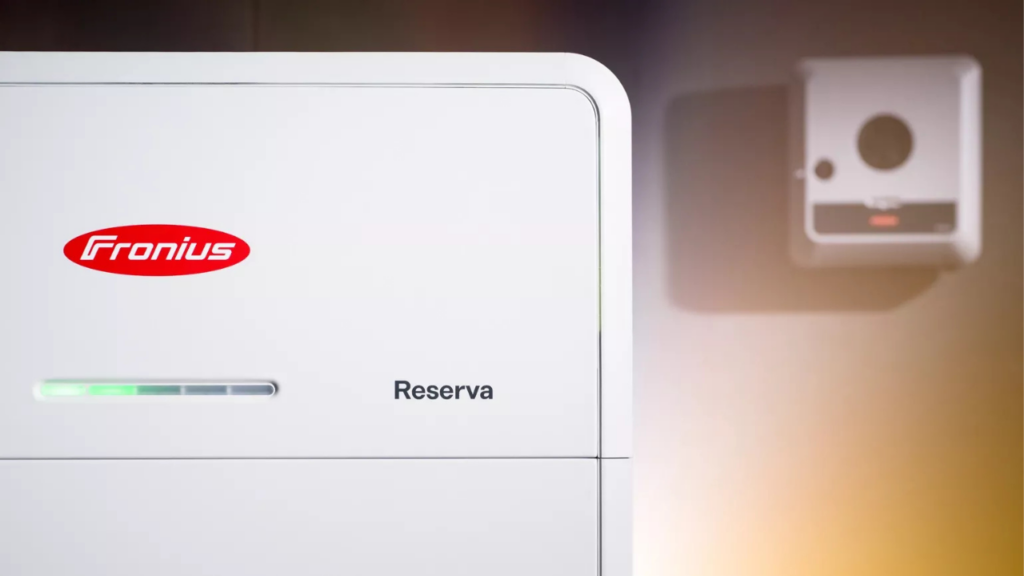
Fronius inverter and Reserva battery

Scenario 3:

“Evening-heavy” household (cooking, air-con, family routines).

Build: GEN24+ + Smart Meter + Reserva + Solar.web (and optionally Ohmpilot). 

What happens: midday surplus is stored (Reserva) and used in the evening, reducing grid draw when households typically spend the most. In WA, that’s particularly relevant because the DEBS peak window (3–9pm) is exactly when many homes use the most electricity.

2026 installed package pricing (ecosystem entry point)

The pricing below is the “ecosystem foundation” cost in WA terms, including the inverter, power sensor (Smart Meter), base installation (as supplied by PSW), solar array, and Reserva battery, as of Feb 2026.

Single-phase ecosystem foundation (Primo GEN24+ package; power sensor + base install included)

Warranty: 10-year manufacturer product warranty (as supplied)

Three-phase ecosystem foundation (Symo GEN24+ package; power sensor + base install included)

Warranty: 10-year manufacturer product warranty (as supplied)

Important context: “base installation included” is the right starting point, but some homes will still require switchboard upgrades, longer cable runs, communications fixes (Wi-Fi/Ethernet), or compliance-related works depending on site and network requirements. WA also has export limiting and emergency management requirements that can influence configuration. For additional costs associated with Fronius x PSW  solar and battery solutions, view here ›

+ your prefered solar or battery. Solar add-ons: 3, 6, 10, 13 kW. Battery add-ons: Fronius Reserva or BYD HVM premium 

Backup power: what Fronius can and can’t do

Fronius backup is part of the ecosystem story, but it’s often misunderstood.

PV Point (basic backup power)

On the Fronius Primo GEN24 5.0 Plus technical page, PV Point maximum continuous output power is listed as 3000 VA, with a maximum switchover time of 15 seconds.

That’s “keep essentials alive” territory (fridge, lights, modem), not whole-house living as normal.

Full Backup (broader backup)

The same Fronius technical page lists the maximum switchover time for Full Backup as 10 seconds, but Full Backup is a designed outcome that typically requires additional external components, depending on the system design and model.

Key takeaway: if blackout capability is a priority, the ecosystem plan needs to specify what loads you want backed up and the required hardware pathway, rather than assuming “battery = whole house backup”.

Warranty and what to verify at install

Fronius highlights 10-year warranty models that depend on criteria and registration; Fronius’s warranty information also references registration via Solar.web to obtain the free extension (where eligible).

For homeowners, verification is:

  • Confirm the system will be registered/commissioned correctly (Solar.web account and product registration).
  • Confirm what is covered in the warranty model being offered (materials vs full warranty plus, where applicable).
  • Confirm who the service contact pathway is (your installer and Fronius support) and that monitoring/service messages are enabled in Solar.web.

A homeowner decision guide (ecosystem-first)

Instead of “Which inverter?”, the better question for 2026 is: “Which ecosystem pathway am I building toward?”

1.

Choose a monitoring-and-control ecosystem (no battery yet) if:

You want visibility and bill reduction through better self-consumption behaviour first.

You’re not ready to commit to storage, but you want the system designed so storage can be added later.

2.

Choose an EV-first ecosystem if:

An EV is already in the driveway (or planned soon), and you want solar to cover commuting.

You want PV surplus charging under one Fronius umbrella.

3.

Choose a storage-first ecosystem if:

Evening usage is high and you want stored solar to cover night-time loads.

You want a Fronius battery designed to integrate with Fronius hybrid inverters and Solar.web.

4.

Choose a resilience (backup) ecosystem if:

You have a specific backup goal (essentials vs broad coverage) and will design PV Point/Full Backup accordingly.

A Fronius energy system in 2026 is most compelling when considered as an ecosystem. This includes components such as measurement through the Smart Meter and visibility via Solar.web, controllable loads like EV charging and hot water systems, and now Fronius-branded storage solutions like Reserva.

In Western Australia, where export controls and low daytime buyback rates influence the economics, this ecosystem approach focuses less on “premium hardware” and more on maximising the value of every kilowatt-hour (kWh) generated at home.

If you require assistance in a custom quote for your Fronius energy system, Perth Solar Warehouse is a certified Fronius Solutions Partner servicing greater Perth, Western Australia. 

Solar, Batteries & AI: Derek McKercher on The Nexus Point podcast

Solar can feel complicated from the outside. Batteries, changing rules, new tech, AI everywhere… and plenty of opinions.

That’s why this conversation is worth your time. Luke Cove (Lightning Energy) sits down with Derek McKercher (Perth Solar Warehouse) for an honest, occasionally funny, behind-the-scenes chat about what’s happening in solar right now, and what actually matters if you’re a homeowner thinking about solar, batteries, or “electrifying everything.”

Watch the full episode here: YouTube – Episode #15
Prefer audio? Listen on Spotify: The Nexus Point Podcast

Quick insight

1. Solar energy is experiencing significant growth, but batteries are emerging as the real next wave of innovation. Both industries are witnessing a rapid market shift; solar is often just the starting point, and batteries are increasingly crucial in discussions. For homeowners, the key takeaway is: it’s no longer simply about “Should I install solar?” Instead, the focus has shifted to “How can I create a system that suits my home, my energy usage, and allows for future upgrades?”

2. The shiny-object trap (and why it matters to customers). Luke shares a relatable business lesson: it’s easy to get distracted by building the “next big thing” while your core business is already performing well. Derek reinforces this idea, noting that most businesses must consistently return to what customers are currently asking for. At one moment, it may be batteries; at another, it could be air conditioning, heat pumps, or EV charging. From the consumer’s perspective, good installers don’t impose outdated solutions for today’s issues.

3. The industry changes fast—your systems have to keep up. They talk about how quickly “best practice” shifts in solar, and why long documents and training manuals can become outdated in months. Derek also explains why you can’t simply copy and paste a solar business model from one state to another. Each region has its own rules and grid requirements, so local knowledge matters.

4. AI is useful… but only if you don’t use it as a crutch. This segment is one of the best parts of the episode. Derek’s view is that AI only becomes genuinely powerful when a business has its data and processes properly structured—otherwise, you’re just throwing a messy pile of info at a machine and hoping for magic. Luke agrees and adds a warning: if staff (or customers) copy-paste AI answers without understanding them, quality drops fast. Their shared bottom line is refreshing: AI should reduce busywork in the background, while real humans still do the critical part, listening, advising, and solving problems correctly.

5. Longevity, service, and trust beat “cheap and fast”. It becomes evident that after-sales support is crucial as a solar business grows. As your company matures, it’s essential to have dedicated service capacity, not just installation crews. For homeowners, this distinction is what separates a system that is merely “installed” from one that is supported in the years to come.

The conversation also touches on the importance of health and balance, noting that high-growth businesses can be demanding if stress and recovery are not managed properly. Derek shares a practical reminder from the early days of installation: to get regular skin checks. This is a piece of advice you might not expect to hear in a solar podcast, but it aligns with the overarching theme: play the long game.

Ready to listen?

If you’re curious about solar, batteries, and where energy tech is heading, without the sales pitch, press play and enjoy the conversation.

Watch: YouTube – Episode #15
Listen: Spotify – The Nexus Point Podcast

iStore 5kWh to 7kWh changeover: Expansion planning guide

iStore is transitioning from its current 5kWh battery model (IS-BATT-5000-ES) to a new 7kWh model, expected to be available around June 2026. Pricing details will be provided later. This new battery is an exciting development in the product line; however, if you currently own 5kWh batteries from iStore (or a Huawei system that uses them), this change is significant. The new 7kWh battery will have a different physical design, which means it cannot be combined with existing 5kWh battery stacks.

If expansion is on your radar, even “later this year”, now is the best time to confirm what’s possible on your current platform. Once the market moves across to the 7kWh format, modular add-ons using the 5kWh units become harder to plan around because you can’t combine sizes in the same stack.

There’s also a timing factor for compliance planning. The IS-BATT-5000-ES is expected to be removed from the CEC-approved list around October 2026. Existing systems remain valid, but sourcing and installing additional matching 5kWh capacity may be more constrained as that date approaches.

Moving forward

Perth Solar Warehouse can help you make a low-risk decision:

› Compatibility assurance: We confirm your current system configuration and expansion limits.

› Right-sizing advice: We sanity-check whether adding capacity will improve evening coverage, self-consumption, or EV charging.

› Timing guidance: We explain realistic availability based on current supply (around 6,000 units in-market at the time of writing, with demand expected to rise through the changeover).

Transition planning: If the 7kWh platform is a better fit for your future needs, we’ll outline what that means, without derailing the immediate expansion options for 5kWh owners.

Taking action

If you own an existing iStore 5kWh battery and are looking to expand your storage, or if you have a Huawei inverter that is battery-ready and you plan to add storage in the future, here are the next steps:

1. Send PSW your system details, or we can retrieve them from your installation records.
2. We will confirm which expansions are compatible and worthwhile for your setup.
3. If you choose to proceed with the expansion, we will assist you in planning the timing and securing the appropriate hardware.

If you are considering an expansion at any point, a brief check-in with PSW now can help reduce risks later and keep your options open during the changeover.

Shop: iStore battery ›

2025 Review: PSW recognised as a top WA solar and battery installer

If you’re a family in Western Australia considering solar energy or adding a battery to reduce your power bills, one of your primary concerns might be: “Can I trust this installer to do the job correctly and be available for support in the future?” 

The 2025 Solar Nerds Solaris Awards provide an independent, data-driven method to help you evaluate that decision. In their WA Awards Edition, PSW (Perth Solar Warehouse and PSW Energy) received a high ranking in implementation volume.

Top 2: 2nd in Western Australia for home battery installations: 10,398 kWh across 673 installs

Top 5: 4th in Western Australia for total solar installed (systems up to 100kW): 6,128 kW across 724 installs

Solar Nerds’ rankings are built from Clean Energy Regulator REC Registry data (the national certificates created for eligible solar and battery installs). In plain terms: it’s based on real installation activity, not marketing claims. Their WA Awards Edition also notes the figures are estimates derived from registry data, and that recorded dates can lag/shift because STC registrations don’t always match the exact install date.

Why PSW’s result is reassuring for homeowners

What does this mean in a decision

If your goal is lower bills and less dependence on the grid, PSW’s Solar Nerds recognition translates to a few practical advantages:

• Peace of mind: independent verification that PSW is doing meaningful volume in WA—not just a handful of jobs.
• Better “right-sizing”: experience across hundreds of homes improves the odds your system is sized to your household usage (not overpromised, not underspecified).
• One team for solar + battery: the report shows PSW is installing solar and batteries at similar scale, which matters because the best results come from designing them as one system

If you’re considering solar or a battery in 2026, bring a recent power bill (or two) and tell us what matters most—lowest bills, backup power, EV-readiness, or a blend. We’ll recommend a system size that fits your home and your goals, and we’ll explain the “why” in plain language.

Aiko Neostar Series 3: Worth paying extra, or just marketing?

Aiko solar panels at sunset

If you’re considering the Aiko Neostar Series 3 in 2026, you’ve already moved past the initial question of whether to invest in solar energy. Now, you’re faced with a more challenging decision: “If I pay extra for a premium panel, will it really make a difference on my roof, or am I just purchasing a panel with better specifications?”

Quick insight

Aiko’s market position is fairly blunt. It’s not trying to be a value panel. Neostar Series 3 is positioned as a high-output, high-efficiency residential module range that maintains a standard rooftop format, with long warranty coverage and low stated degradation.

This refresh focuses only on the 2026 Aiko Neostar Series 3 range (3S and 3P). Series 2 is treated as the 2025 generation and isn’t covered here.

Contents

Which to consider

For Australian homes, it’s essentially a two-choice decision in 2026:

1. Neostar 3S (475W): the “most aesthetic” for typical homes seeking all-around premium attributes. This is the choice for homeowners who want premium performance without designing the whole system around “maximum possible watts.” Aiko positions 3S with up to 24.8% efficiency and the same premium warranty and degradation schedule as the 3P. The key differentiator is the popular all-black design.

2. Neostar 3P (500 W): when roof space is tight, or you want maximum output per m². This is where Aiko’s 2026 flagship proposition gets disruptive. Aiko states its Neostar 3P 500W delivers 25% module efficiency in a standard format under 2m², i.e., you’re not forced into an oversized panel just to chase higher wattage. 

Model
Power
Efficiency
Temp
COEF (°C)
Download
Aiko Solar Panel
Neostar 3S
• 475 W
• 495 W
• 23.8%
• 24.8%
-0.26%
Datasheet
Aiko Neostar Solar Panel 2
Neostar 3P
• 500 W
• 25.0%
-0.26%
Datasheet

What you’re paying for (the premium test)

Here’s the simplest way to evaluate whether a premium panel is “worth it” without getting lost in jargon. You’re paying for one (or more) of these outcomes:

1.

More solar from the same roof space.

If your usable roof area is the constraint, output density is the whole game. Aiko’s Gen 3 narrative is built around pushing power and efficiency while staying in a standard rooftop footprint.

2.

Better hot-day behaviour on paper.

In Australia, panels don’t operate at lab conditions. Aiko positions both 3S and 3P with a -0.26%/°C temperature coefficient, which is a direct “heat resilience” indicator in spec terms.

3.

Better tolerance of “small, annoying shade” at cell level.

Aiko markets its Partial Shading Optimisation as bypassing individual shaded cells (instead of sacrificing large sections of a panel as traditional bypass-diode zoning can), helping reduce the energy penalty from leaves, bird poop, antennas, or narrow shadow lines.

4.

Long-horizon confidence.

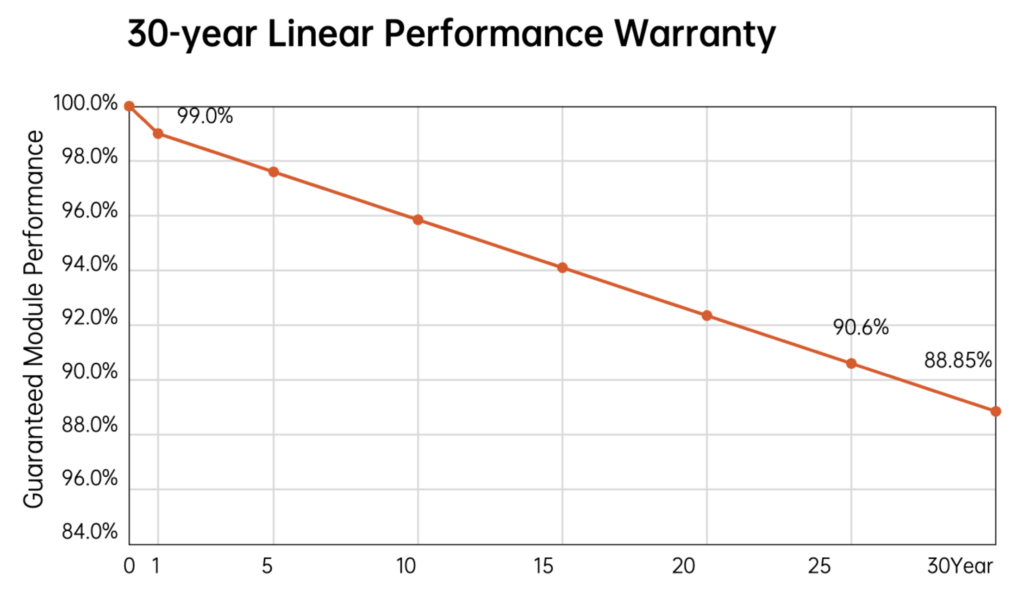
Premium only matters if it holds up over decades. Aiko positions Series 3 with a 25-year product warranty and 30-year performance warranty, plus a low stated degradation schedule (≤1% year one, then ≤0.35%/year).

If none of those outcomes applies to your home (plenty of roof space, short time horizon, no concern about heat behaviour), you may not extract the full value of paying extra. But if one of them is true, especially roof limitations, premium panels start to “change the result.”

Aiko Neostar Series 3 warranty

Aiko’s Australian Series 3 positioning is consistent across 3S and 3P: 25-year product warranty, 30-year performance warranty, and low stated degradation (≤1% year one, then ≤0.35%/year).

On the datasheet side, Aiko’s published performance curve examples also reference 90.6% at year 25 and 88.85% at year 30.

Installation still matters here. A long manufacturer warranty is only “valuable” when the installer can diagnose issues, handle paperwork, and provide aftercare support. As an example, PSW’s Aiko package positioning is explicitly built around long-term coverage and local support.

Graph showing performance warranty over time of the Aiko Neostar 3 series

Manufacturing origin

Aiko is not a “new panel brand” in the usual sense. It was founded in 2009 as a solar cell manufacturer and later moved into modules, which is relevant because Neostar Series 3 is fundamentally a cell-technology product (back-contact/high-efficiency). AIKO operates three R&D centres (including Solarlab Europe in Freiburg, as well as centres in Zhuhai and Yiwu) and has invested heavily in R&D, with an extensive patent portfolio and ongoing advanced cell research beyond incremental upgrades.

On manufacturing, AIKO describes a scaled footprint with six major production bases, and independent industry reporting notes it has brought online additional n-type back-contact manufacturing capacity (including Jinan) tied to its high-efficiency roadmap. For a homeowner paying a premium, the takeaway is confidence in industrial-scale production, process control/traceability, and the likelihood of long-term product continuity.

General price range

Aiko Series 3 is typically priced above mainstream panels—by design. The more useful question is whether the premium meaningfully shifts your system design or long-term yield.

To ground this in a real Perth shopping context, Perth Solar Warehouse lists a 6.6 kW option with 14 × Aiko 475W Neostar 3S from $5,290+, plus inverter/battery as a base installed-array cost, after Zone3 STCs (solar subsidy). This general pricing translates to $802 kW for multiplication guidance.

This is not a substitute for a site-specific quote (roof faces, shading, switchboard, cable runs, and compliance items all matter), but it does reflect the reality: premium panels can still sit inside an “affordable system” when the full installed package is priced competitively.

Comparison costs: Alternative system size prices 3 kW, 6.6 kW, 10 kW or 13 kW, 19 kW

Build your ideal Aiko solar package with installed prices on PSW Energy: Aiko solar package – variable sizes  ›

Aiko Neostar Unveiling Australia Cockle Bay Event 1

Sydney Launch Event: Derek McKercher, PSW Founder, unveiling the Aiko Neostar range in Australia.

PSW's recommended choice

If you’re paying extra for Aiko Neostar Series 3, the decision should hinge on what’s limiting your system design. On an unconstrained roof, most premium panels will feel “nice to have.” On a constrained roof (space, heat exposure, awkward roof geometry, or light shade), the right Series 3 choice can materially change the outcome because it’s built around output density, hot-weather behaviour, and partial shading optimisation.

1. Aiko Neostar 3S (All-Black, Mono-Glass, 475W)—The “balanced premium” outcome. Very high efficiency, with the same Series 3 heat and warranty attributes, yet a one-colour streamlined aesthetic for better building integration. Aiko positions Neostar 3S 475W at 23.8% efficiency, with a -0.26%/°C temperature coefficient, low degradation, and a 25-year product warranty and 30-year performance warranty. This is typically the premium solar panel selection when you have a reasonable roof area, and your goal is “high performance with improved visualisation,” rather than “max power per square metre at any cost.” The Neostar 3S is, without a doubt, the highest-performing all-black solar panel in Australia in 2026.

2. Aiko Neostar 3P (Mono-Glass, 500W)—You want Aiko’s maximum output per square metre in the Series 3 residential format. Aiko positions Neostar 3P 500W, up to 25.0% efficiency, with a -0.26%/°C temperature coefficient, low stated degradation, and a 25-year product / 30-year performance warranty. This is the “roof-space weapon” when you’re trying to: (1) push more kW onto limited roof faces, (2) keep the array footprint compact while staying high-output, or (3) make each panel count on complex roofs where you simply can’t fit “one more module.” AIKO also explicitly frames the 3P 500W as a standard-format panel under 2m² (the anti-oversized argument premium buyers care about).

If you’re still torn, default to this rule: if roof space is tight (or you’re trying to keep the array compact), go 3P; if roof space is workable and you want premium performance without over-optimising, go 3S. If you’re located in the greater Perth region of Western Australia, PSW sales support is happy to assist with turnkey Aiko solar package purchasing queries.

New solar and battery rules May 2026: The choices that matter

If you’re planning to install solar panels or add a battery in Perth or anywhere on Western Australia’s South West Interconnected System (SWIS), a rule change effective from 1 May 2026 will affect how your system connects and, more importantly, how it exports power back to the grid.

This change is not a “solar clampdown”; rather, it is a reset of the minimum technical requirements for export arrangements. The goal is to maintain network stability as rooftop solar use continues to grow. For homeowners, it’s helpful to understand the change in simple terms:

Starting 1 May 2026, you will still be able to install solar as usual. However, you will have to choose between two export pathways: a straightforward standard export option and a “future-ready” option that supports flexible exports and participation in virtual power plants (VPPs) once those products become available.

What changes on 1 May 2026

Why the rules are changing

WA’s rooftop solar is doing precisely what households want it to do: cutting bills and reducing emissions. But as penetration rises, the grid has to manage two technical realities.

First, large volumes of export in concentrated areas can stress local poles and wires. Second, solar output can swing quickly with passing clouds, which can complicate grid stability if the system isn’t managed in a coordinated way.

The updated rules aim to keep the “solar runway” open, so more homes can install solar and batteries, while reducing network risk and preparing the system for modern export products that can vary exports rather than locking every home into a single static setting forever.

Export is now a choice, not a one-size-fits-all rule

Most homeowners don’t care about protocols or compliance acronyms. They care about three things: will solar still be worth it, will the install be delayed, and will it cost more. So here’s the choice-first framing that actually matters.

Pathway 1: Standard exports (simple, stable, no ongoing comms requirement)

If you prefer not to participate in flexible export products or VPP, or if your site can’t maintain a stable internet connection, you can stay on the standard export arrangement.

Under this option:

  • Your system can export up to a standard 1.5 kW limit.
  • You are not required to meet the new communications requirements.
  • Your personal use of solar (and batteries) is not affected.

For many households, this will remain the “set and forget” pathway: straightforward approvals, minimal moving parts, and a familiar export structure.

Pathway 2: Future-ready exports (flexible exports / VPP capability)

If you want the option to participate in flexible exports or Virtual Power Plants (VPPs) in the future, your system must be communications-capable. In simple terms, this means that your inverter [and, if installed, your battery] should be able to establish a secure communication pathway. This capability enables it to receive remote instructions to disconnect or reconnect during rare power system emergencies and supports dynamic export settings for future products.

It’s important to note that this does not mean someone is controlling your solar system on a daily basis. Instead, it indicates that your equipment meets a consistent baseline standard, enabling you to join new programs if you choose.

What “communications-capable” means

In most modern installations, communications capability is already standard. Where homeowners notice it is in practical site details, like:

1. Internet connection at the inverter location. Many inverters sit in garages, side passages, or external walls. If Wi-Fi is weak there, it doesn’t stop you from installing solar, but it may influence whether you choose standard exports or a gateway/connection solution.

2. The system’s default behaviour if connectivity drops. If communications are lost, devices default to a lower static export limit. When communications are restored, the flexible export capability can be automatically reapplied (depending on the product you’re enrolled in). Customers are not penalised simply because an energy retailer (Synergy) can’t communicate with their system.

3. Upgrades and legacy equipment. When you upgrade an existing solar system (for example, adding a battery or changing an inverter), the new requirements can apply. Many systems can be enabled through an inverter cloud/app configuration during commissioning. Some less common setups: mixed brands, multiple inverters, or older hardware that can’t be updated, may require a gateway device to achieve the required communications standard.

Who makes sure your system complies

Electricity retailers are responsible for ensuring a site complies as part of approval, installation, and commissioning. For most Perth households, the retailer is Synergy.

Synergy is expected to update its connection requirements and installer guidance to reflect the new rules and to use the Common Smart Inverter Profile – Australia (CSIP-AUS) standard to communicate with solar and battery systems.

If you’re with a different retailer, they can adopt a different solution. The takeaway is the same: compliance is retailer-led, and your installer must design and commission the system to meet that retailer’s requirements.

What this means for your installation timeline

From a homeowner’s perspective, the most significant risk isn’t the rules themselves; it’s choosing equipment that later proves incompatible with your retailer’s requirements, causing avoidable delays at commissioning or a last-minute change of plan.

That’s why the right approach in 2026 is “choose the export pathway first, then match the equipment.”

PSW makes this simple

When you come to Perth Solar Warehouse for a quote, we’ll structure the conversation around your outcome.

We’ll confirm:

  • whether you’re installing or upgrading after 1 May 2026 (and what that triggers),

  • whether you want the standard export pathway or a future-ready pathway,

  • whether your site is realistically suited to communications capability (Wi-Fi reliability at the inverter location), and

  • whether your preferred inverter/battery model aligns with your retailer’s requirements so approval and commissioning stay smooth.

If you’re planning solar or a battery install on or after 1 May 2026, ask Perth Solar Warehouse for a “post-1 May SWIS export options check” to include with your quote. We’ll confirm the cleanest compliant pathway for your home, avoid commissioning surprises, and make sure you’re set up for the export option that fits your goals, now and later.

Guide: Which Jinko Solar panels should you consider in 2026?

Ultimate Jinko Solar Panels Guide Perth WA

Jinko Solar remains one of the world’s highest-volume solar manufacturers, and its 2026 range in Australia is still clearly anchored around N-type TOPCon “Tiger Neo” modules. In practical homeowner terms, that’s good news: the mainstream options now have strong efficiency, good hot-weather behaviour, and long linear performance warranties, without drifting into “utility-scale” panel formats that don’t suit typical Perth rooftops.

Quick points

This 2026 refresh focuses on what actually matters for first-time solar buyers in Perth: roof fit, real performance in heat, warranty clarity, and avoiding mismatched “big panels” that can complicate inverter selection and future expandability.

Contents

2026 update: Jinko Neo 440W Satin is now the Tiger Neo 475W (all black, dual glass)

Which to consider

For Perth homeowners, Jinko’s “sweet spot” remains the rooftop-friendly Tiger Neo formats (typically 48-cell residential format, plus selected larger formats where roof mounting is limted). In 2026, you’ll also see newer datasheets referencing Jinko’s “HOT 3.0” platform in parts of the range, primarily focused on incremental reliability/efficiency improvements within the TOPCon architecture.

Reality check: a “bigger watt” panel is not automatically “better.” Sometimes it’s simply a physically larger module. A useful way to compare panels fairly is:

Efficiency (%): more power from the same roof area.

Dimensions: affects layout, handling, maintenance, and future expansion options.

Temperature coefficient: how much output drops as the panel heats up (very relevant in Perth summer).

Model
Power
Efficiency
Temp
COEF (°C)
Download
Jinko Solar Panel by Perth Solar Warehouse
Tiger Neo
48HL4M-DB
475 W
23.77%
-0.29%
Datasheet
Jinko Tiger Neo
Tiger Neo
48HL4M-DV
475 W
23.77%
-0.29%
Datasheet
Jinko Cheetah Solar Module
Tiger Neo 60HL4-V
510 W
23.60%
-0.29%
Datasheet

1. Tiger Neo 48HL4M-DB (all black, dual glass, ~450–475 W). For most Perth homes, this remains the clean “default” recommendation in 2026. It’s a modern N-type TOPCon module with a rooftop-friendly footprint, high efficiency, and a straightforward warranty structure for first-time buyers. All-black for enhanced aesthetics. Dimensions: 1762×1134×30 mm

2. Jinko Tiger Neo 48HL4M-DV (dual glass, ~450–475 W): Choose this when you want a tougher, more “set-and-forget” module build in a rooftop-friendly format, without stepping up into the oversized commercial panels. The dual-glass construction improves long-term durability and resistance to harsh conditions (salt air, higher winds, higher rooftop temperatures). Dimensions: 1762×1134×30 mm

3. Jinko Tiger Neo 60HL4-V (~490–510 W): This can be a very effective 2026 option when roof space is constrained, and you want more kW in fewer modules. The trade-off is that larger, higher-current modules demand careful inverter selection and string design so you don’t create avoidable clipping or compatibility limits. A good installer will validate this quickly at the design stage. Note: The increased power class (Watts) is due to larger dimensions, not an efficiency gain for less rooftop space. Dimensions: 1906x1134x30mm

Largest: Tiger Neo (~710–735 W): At the time of compilation, the Tiger Neo was Jinko’s largest power-class solar panel. It is not suitable for most residential rooftops and inverters, as it is classified as a utility-scale solar panel. Max. efficiency: 23.66%. Dimensions: 2384×1303×33 mm

Jinko's Australian warranty

For most residential installations in Perth built around the Tiger Neo (N-type TOPCon), the current limited warranty terms for AU/NZ are generally presented as follows. These terms are designed to provide homeowners with reassurance about the performance and durability of their solar systems over time.

Product warranty: 25 years (many rooftop-oriented Tiger Neo types)

Performance warranty: 30 years (linear)

Degradation: 1.0% in year one, then typically 0.40% per year thereafter (ending at 87.4% at year 30 for those module types)

Warranty Download ›

Manufacturing origin

Jinko operates globally across globally diverse manufacturing locations. The relevant point for homeowners is that Jinko’s own datasheets for common Australian variants list “Made in China” for some models and also reference multi-country manufacturing footprints for others.

Jinko has also announced further international expansion, including a planned 10 GW solar cell and module factory in Saudi Arabia, to be built via a consortium structure (subject to approvals and project financing).

In practice, quality outcomes for homeowners correlate more strongly with: (1) the exact model/datasheet, (2) correct installation design, and (3) the installer’s aftercare and warranty support process.

What should you expect to pay?

Solar pricing is influenced by hardware costs, labour, roof complexity, and policy settings. The federal Small-scale Technology Certificates (STCs) still materially reduce the upfront price, and Perth metro postcodes sit in the Clean Energy Regulator’s STC “postcode zone rating” that installers use to calculate certificate entitlement (Perth and Bunbury postcodes fall within the published ranges shown for that zone rating).

 What we recommend in 2026: treat “price per kW” as a rough comparison tool only. A better approach is to shortlist a panel + inverter combination that fits your roof and export/usage goals, then compare quotes on inclusions (warranties, monitoring, workmanship, aftercare) rather than chasing the cheapest headline price.

Quick links: Common alternative system sizes (with prices): 3 kW, 6.6 kW, 10 kW, 13 kW or 19 kW.

Popular pairing options

It’s one thing to know which Jinko solar panels to consider, this is only ever half the equation. Some know precisely their inverter or battery preferences. But for those seeking further inspiration, try these popular product pairings to ensure a future-ready energy system.

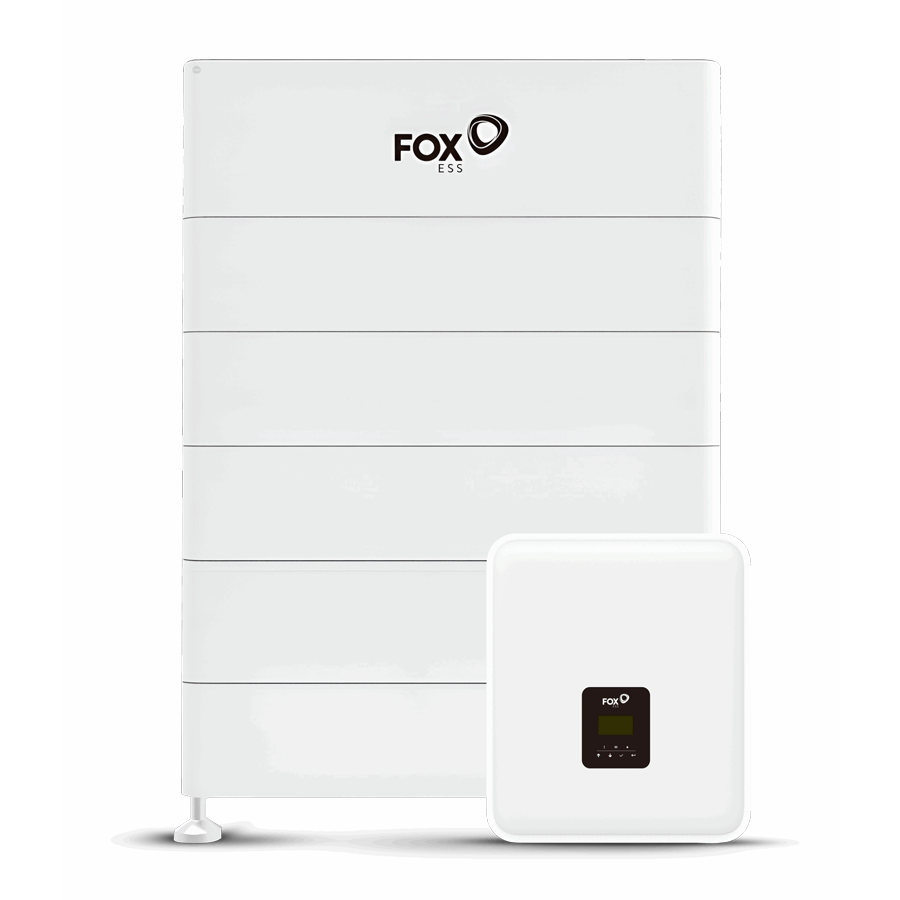
Economical: Fox ESS. A strong value/performance option with solid software and local support. $$

Shop: Customise your FoxESS

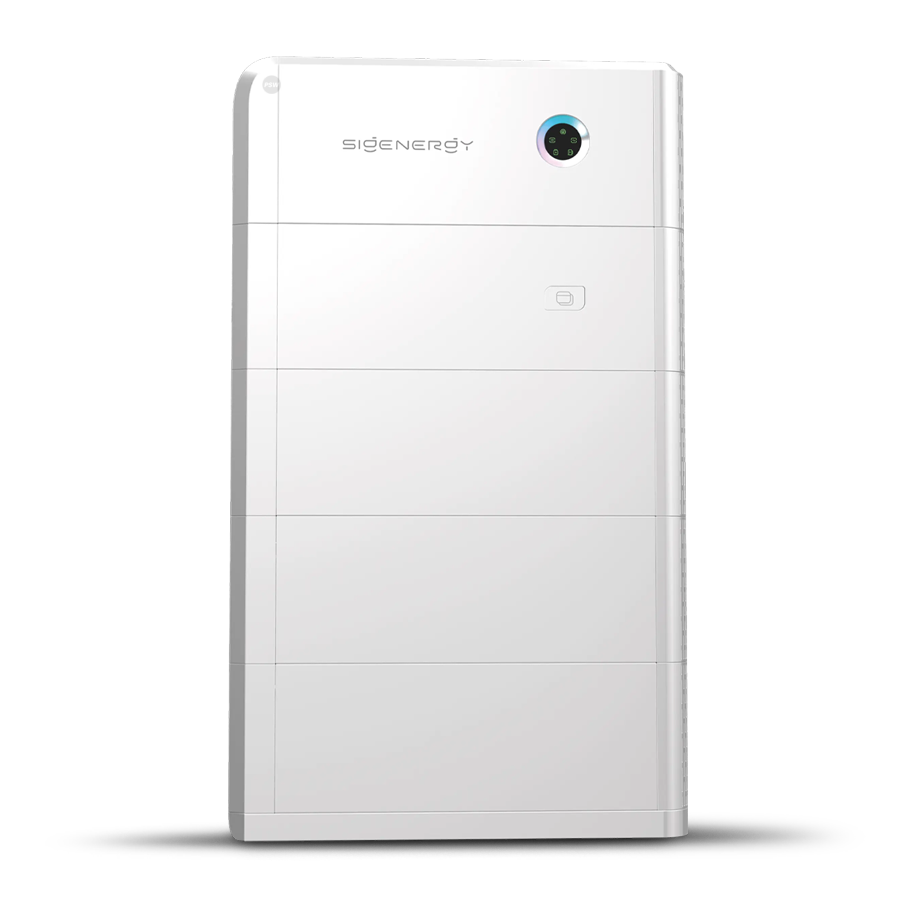
Cutting-edge: Sigenergy. A modern ecosystem featuring modular storage options and the innovative mySigen software, with the customisable SigenStor as your home energy hub. $$$

Guide: SigenStor is a reimagined home “energy hub”

Shop: Customise your Sigenstor

Tesla-Powerwall-3-by-Perth-Solar-Warehouse-6

Full-featured: Tesla. A proven, premium ecosystem option for buyers prioritising long-term platform confidence and serviceability. $$$

Guide: Tesla Powerwall 3 breaks new ground with redesign

Shop: Customise your Powerwall 3

PSW's recommended Jinko

For homeowners in Australia, selecting a solar panel that fits a residential roof is crucial. It’s essential to consider sensible dimensions, strong N-type TOPCon performance in high temperatures, and a reliable long-term warranty. Don’t let the headline wattage guide your decision exclusively. Often, a higher-watt panel is larger, which can lead to avoidable trade-offs in roof layout, handling, future expansion, and inverter compatibility.

1. Tiger Neo 48HL4M-DB (All Black, Dual Glass, 475 W)—This is the best choice for most Perth homes. It offers a clean, durable design with a modern N-type TOPCon module in a rooftop-friendly format, delivering high efficiency. The all-black finish provides a seamless roof look without compromising essential factors such as fit, performance, and long-term reliability.

2. Tiger Neo 48HL4M-DV (Dual Glass, 475 W)—This option is ideal for homeowners who prioritise durability and prefer a reduced aesthetic impact, with a marginal cost saving of approximately 1 cent per watt compared to option 1. Choose this panel if you want a robust, “set-and-forget” design while retaining the exact residential-friendly dimensions as option 1. The dual-glass construction is resilient, offering better tolerance for harsh conditions such as coastal air, wind exposure, and sustained rooftop heat. The trade-off typically involves slightly more weight than single-glass modules, so proper workmanship and safe handling are essential.

3. Tiger Neo 60HL4-V (510 W)—This panel is less suitable for most Perth homes due to its larger dimensions (approximately 2 meters). It may be a viable option when roof space is limited due to mounting points, allowing for larger perlin gaps. However, it’s important to note that the higher wattage is mainly attributed to the larger panel size rather than a technological advancement that produces more power from less roof area. Being a larger, higher-current module, it requires careful inverter selection and string design, and its physical size may complicate future servicing or expansion. For most standard Perth rooftops, the 48HL4M with the DB or DV options mentioned above is typically the more balanced choice.

If you’re located in the greater Perth region of Western Australia, PSW sales support is happy to assist with turnkey Jinko solar package purchasing queries. Perth Solar Warehouse (2013) has a locally proven history as a pioneering Jinko-certified installer in Western Australia. 
Nicole Bilman Appointed CEO of Perth Solar Warehouse

Perth Solar Warehouse (including PSW Energy) is proud to announce the appointment of Nicole Bilman as Chief Executive Officer (CEO), effective 2 February 2026.

Nicole’s appointment is both a significant milestone for our business and a meaningful signal for the wider sector. As a woman in solar stepping into the CEO role, Nicole represents the standards-led, performance-driven leadership that customers increasingly expect from a long-term energy partner in Western Australia.

Over the past five+ years, Nicole has progressed through the business from Administration Manager to General Manager, and now to CEO—earning each step through delivery, accountability, and the ability to build capability across people, process, and systems.

Key achievements within 5 years

This upgrade will deliver real improvements to how you interact with us and  ensure we remain aligned with modern expectations:

For customers and partners, the immediate focus is continuity. Nicole will continue overseeing day-to-day operations while building out her executive team over the next six months. This approach ensures stability in delivery and service, while strengthening leadership capacity as the business grows.

That growth includes a major cross-city expansion, with a new Perth Solar Warehouse location scheduled to open in Neerabup in late March 2026. The Neerabup site will enhance service coverage across Perth’s northern corridor, support faster logistics and scheduling, and increase capacity as more households and businesses transition to solar, battery storage, and electrification.

Nicole has earned this appointment through consistency, high standards, and an ability to build capability across the whole organisation,” said Derek McKercher, Director. “She leads with calm discipline, backs our people, and has helped shape a culture where customers feel supported long after the install. This move is the natural next step for Perth Solar Warehouse.

Nicole brings more than a decade of experience in the electrical and renewable energy industries. Her leadership is practical and outcomes-driven, focused on empowering teams, improving operational efficiency, and delivering a customer experience that remains structured, transparent, and dependable.

As Western Australia’s clean energy transition accelerates, Perth Solar Warehouse remains committed to being a long-term, community-inspired provider, helping customers adopt sustainable energy with confidence. Nicole’s appointment reinforces that commitment and marks the next stage of building a stronger, more capable business for the years ahead.

Important update: System upgrade this Australia Day weekend

We’re investing in an improved customer service experience for you. From Friday, 23 January, through Monday, 26 January, Perth Solar Warehouse will be migrating to a new Customer Management System. Our team will complete training on the new platform through Friday, 30 January.

What this means

During this period, you may experience some delays when contacting us or accessing your account information. Our team will be working hard to assist you, but response times may be longer than usual while we settle into the new system.

We’ve deliberately scheduled this migration over the Australia Day long weekend to minimise disruption, but we want to be upfront: there may be some bumps along the way.

Why we're making this change

This upgrade will deliver real improvements to how you interact with us and  ensure we remain aligned with modern expectations:

What you can do

If your enquiry isn’t urgent, we’d suggest waiting until after 30 January for the smoothest experience. For urgent matters, we’re still here—please bear with us if things take a little longer than usual.

Thank you for your patience

We know any disruption is frustrating, and we appreciate your understanding as we make these improvements. This investment in our systems reflects our commitment to serving you better for years to come.

If you have questions about this upgrade, please don’t hesitate to contact us.

The Perth Solar Warehouse Team

Solar market changes in 2026: Cost increases, delays, and how to prepare

If you’ve been considering solar for your home or business, it’s important to understand how current market conditions may affect your plans. Rising solar panel prices and a shortage of skilled installers are creating both cost and timing pressures for Australian homeowners. By knowing what’s happening and planning ahead, you can make smarter decisions and potentially secure better pricing and installation schedules.

Quick insight

Rising solar panel costs inevitable

Solar panel prices are set to increase throughout 2026. China, the world’s largest supplier of photovoltaic (PV) modules, will remove value-added tax (VAT) export rebates on solar products from April 1, 2026, which will raise manufacturing and export costs. At the same time, the price of silver—a key material in solar panels—has reached a record $83.62 per ounce, up 181% from last year. These factors are expected to increase the cost of solar panels in Australia, making early planning more important than ever [PV Magazine, Jan 2026][PV Magazine, Dec 2025][McKercher Corp, Jan 2026].

Skilled labour shortages

Australia is also experiencing a shortage of qualified solar installers. Rapid growth in renewable energy demand has outpaced the supply of trained electricians and technicians, leading to longer installation timelines and higher labour costs. Homeowners and businesses may face delays of several weeks or even months if they wait to book their solar installation. [PSW Energy, Jan 2026]

What this means for you

The combination of higher panel prices and limited installer availability compounds the impact on consumers: systems cost more upfront and may take longer to be installed. To avoid these challenges, homeowners and businesses should:

  • Request a quote early to secure current pricing.

  • Reserve an installation date to avoid extended delays (ensure a date, not an estimated timeframe).

  • Consider flexible financing options to manage costs.

  • Discuss panel and system options with an experienced local provider to find solutions suited to your home or business.

Take action

Use this as primary indicator to take action sooner rather than latter in 2026. While the market pressures may seem daunting, taking proactive steps can help you lock in pricing, secure timely installations, and start saving on energy sooner. Perth Solar Warehouse works with trusted suppliers and a skilled installation team to help customers navigate these challenges efficiently.

Rising solar panel costs and labour shortages are real factors affecting the Australian solar market, but informed planning and early action can help homeowners and businesses still achieve their renewable energy goals. The key is to act now, work with experienced professionals, and secure your solar installation before prices climb and availability tightens at current subsidised rates.