Jinko Solar remains one of the world’s highest-volume solar manufacturers, and its 2026 range in Australia is still clearly anchored around N-type TOPCon “Tiger Neo” modules. In practical homeowner terms, that’s good news: the mainstream options now have strong efficiency, good hot-weather behaviour, and long linear performance warranties, without drifting into “utility-scale” panel formats that don’t suit typical Perth rooftops.
Quick points
- N-type TOPCon remains the core Jinko residential platform in Australia
- Dual-glass/bifacial can be worthwhile for durability and aesthetics, but energy “rear-side gains” are often modest on a standard pitched roof
- Higher wattage is frequently a larger physical panel; compare efficiency and dimensions, not the headline W number
This 2026 refresh focuses on what actually matters for first-time solar buyers in Perth: roof fit, real performance in heat, warranty clarity, and avoiding mismatched “big panels” that can complicate inverter selection and future expandability.
Contents
2026 update: Jinko Neo 440W Satin is now the Tiger Neo 475W (all black, dual glass)
Which to consider
For Perth homeowners, Jinko’s “sweet spot” remains the rooftop-friendly Tiger Neo formats (typically 48-cell residential format, plus selected larger formats where roof mounting is limted). In 2026, you’ll also see newer datasheets referencing Jinko’s “HOT 3.0” platform in parts of the range, primarily focused on incremental reliability/efficiency improvements within the TOPCon architecture.
Reality check: a “bigger watt” panel is not automatically “better.” Sometimes it’s simply a physically larger module. A useful way to compare panels fairly is:
• Efficiency (%): more power from the same roof area.
• Dimensions: affects layout, handling, maintenance, and future expansion options.
• Temperature coefficient: how much output drops as the panel heats up (very relevant in Perth summer).


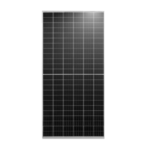
1. Tiger Neo 48HL4M-DB (all black, dual glass, ~450–475 W). For most Perth homes, this remains the clean “default” recommendation in 2026. It’s a modern N-type TOPCon module with a rooftop-friendly footprint, high efficiency, and a straightforward warranty structure for first-time buyers. All-black for enhanced aesthetics. Dimensions: 1762×1134×30 mm
2. Jinko Tiger Neo 48HL4M-DV (dual glass, ~450–475 W): Choose this when you want a tougher, more “set-and-forget” module build in a rooftop-friendly format, without stepping up into the oversized commercial panels. The dual-glass construction improves long-term durability and resistance to harsh conditions (salt air, higher winds, higher rooftop temperatures). Dimensions: 1762×1134×30 mm
3. Jinko Tiger Neo 60HL4-V (~490–510 W): This can be a very effective 2026 option when roof space is constrained, and you want more kW in fewer modules. The trade-off is that larger, higher-current modules demand careful inverter selection and string design so you don’t create avoidable clipping or compatibility limits. A good installer will validate this quickly at the design stage. Note: The increased power class (Watts) is due to larger dimensions, not an efficiency gain for less rooftop space. Dimensions: 1906x1134x30mm
Largest: Tiger Neo (~710–735 W): At the time of compilation, the Tiger Neo was Jinko’s largest power-class solar panel. It is not suitable for most residential rooftops and inverters, as it is classified as a utility-scale solar panel. Max. efficiency: 23.66%. Dimensions: 2384×1303×33 mm
Jinko's Australian warranty
For most residential installations in Perth built around the Tiger Neo (N-type TOPCon), the current limited warranty terms for AU/NZ are generally presented as follows. These terms are designed to provide homeowners with reassurance about the performance and durability of their solar systems over time.
• Product warranty: 25 years (many rooftop-oriented Tiger Neo types)
• Performance warranty: 30 years (linear)
• Degradation: 1.0% in year one, then typically 0.40% per year thereafter (ending at 87.4% at year 30 for those module types)
• Warranty Download ›
Manufacturing origin
Jinko operates globally across globally diverse manufacturing locations. The relevant point for homeowners is that Jinko’s own datasheets for common Australian variants list “Made in China” for some models and also reference multi-country manufacturing footprints for others.
Jinko has also announced further international expansion, including a planned 10 GW solar cell and module factory in Saudi Arabia, to be built via a consortium structure (subject to approvals and project financing).
In practice, quality outcomes for homeowners correlate more strongly with: (1) the exact model/datasheet, (2) correct installation design, and (3) the installer’s aftercare and warranty support process.
What should you expect to pay?
Solar pricing is influenced by hardware costs, labour, roof complexity, and policy settings. The federal Small-scale Technology Certificates (STCs) still materially reduce the upfront price, and Perth metro postcodes sit in the Clean Energy Regulator’s STC “postcode zone rating” that installers use to calculate certificate entitlement (Perth and Bunbury postcodes fall within the published ranges shown for that zone rating).
- In 2026, a 6.6 kW residential solar array in Perth typically costs between $4,490 and $6,490 after Small-scale Technology Certificates (STCs). Prices vary based on equipment and installation complexity, and do not include inverter or battery costs.
- This cost banding generalises to $680 to $983 per kW of Jinko solar panels.
What we recommend in 2026: treat “price per kW” as a rough comparison tool only. A better approach is to shortlist a panel + inverter combination that fits your roof and export/usage goals, then compare quotes on inclusions (warranties, monitoring, workmanship, aftercare) rather than chasing the cheapest headline price.
Quick links: Common alternative system sizes (with prices): 3 kW, 6.6 kW, 10 kW, 13 kW or 19 kW.
Popular pairing options
It’s one thing to know which Jinko solar panels to consider, this is only ever half the equation. Some know precisely their inverter or battery preferences. But for those seeking further inspiration, try these popular product pairings to ensure a future-ready energy system.
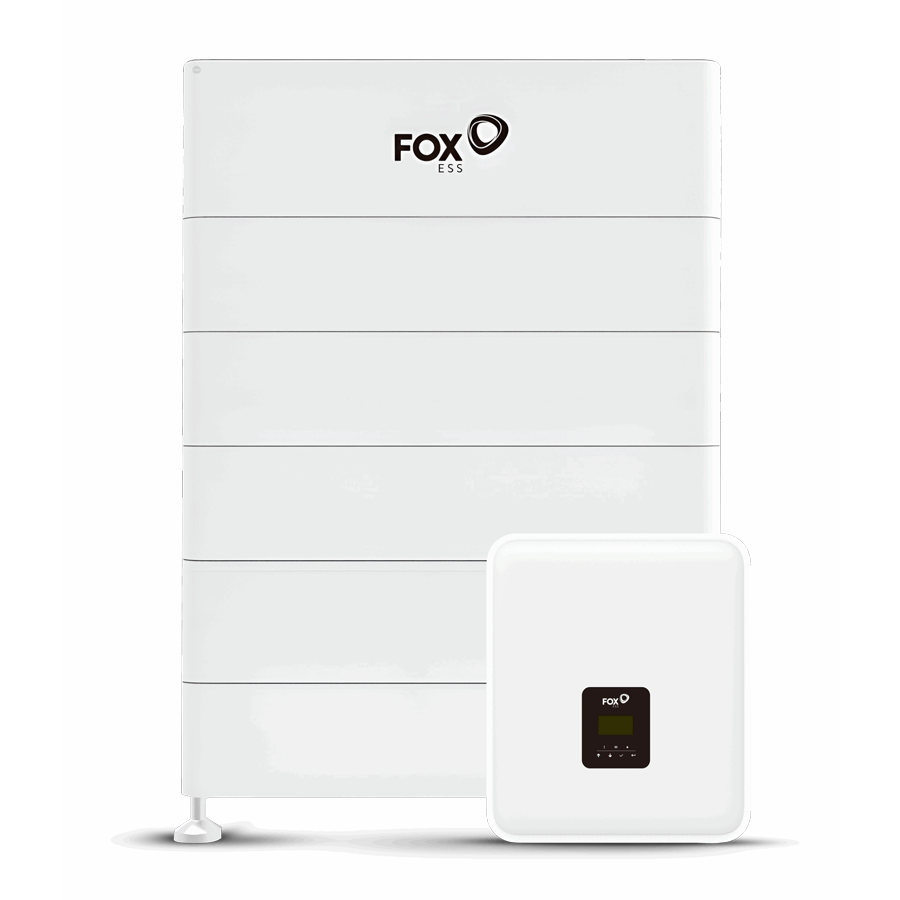
Economical: Fox ESS. A strong value/performance option with solid software and local support. $$
Shop: Customise your FoxESS
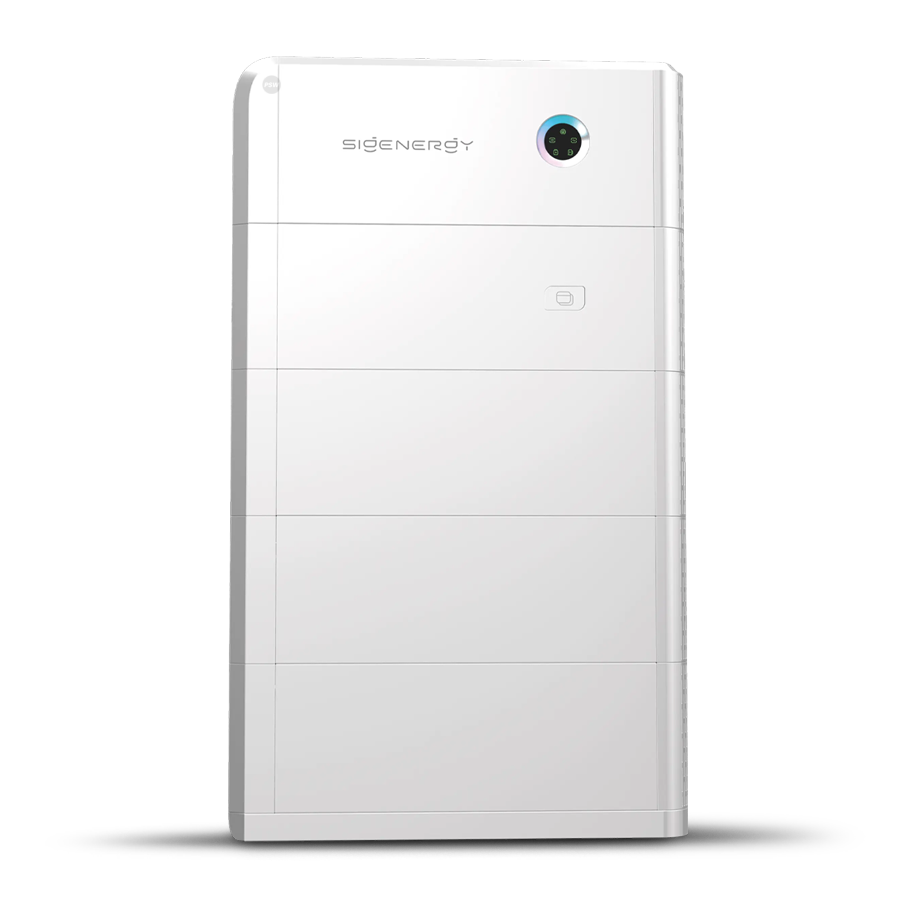
Cutting-edge: Sigenergy. A modern ecosystem featuring modular storage options and the innovative mySigen software, with the customisable SigenStor as your home energy hub. $$$
Guide: SigenStor is a reimagined home “energy hub”
Shop: Customise your Sigenstor
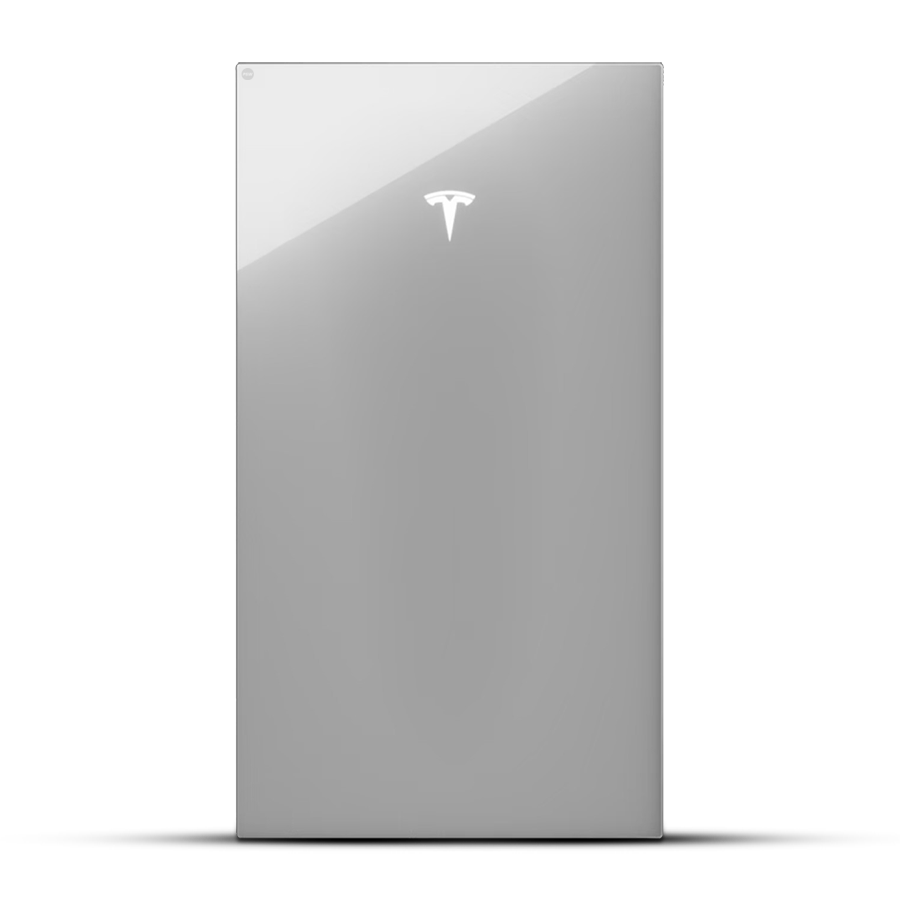
Full-featured: Tesla. A proven, premium ecosystem option for buyers prioritising long-term platform confidence and serviceability. $$$
PSW's recommended Jinko
For homeowners in Australia, selecting a solar panel that fits a residential roof is crucial. It’s essential to consider sensible dimensions, strong N-type TOPCon performance in high temperatures, and a reliable long-term warranty. Don’t let the headline wattage guide your decision exclusively. Often, a higher-watt panel is larger, which can lead to avoidable trade-offs in roof layout, handling, future expansion, and inverter compatibility.
1. Tiger Neo 48HL4M-DB (All Black, Dual Glass, 475 W)—This is the best choice for most Perth homes. It offers a clean, durable design with a modern N-type TOPCon module in a rooftop-friendly format, delivering high efficiency. The all-black finish provides a seamless roof look without compromising essential factors such as fit, performance, and long-term reliability.
2. Tiger Neo 48HL4M-DV (Dual Glass, 475 W)—This option is ideal for homeowners who prioritise durability and prefer a reduced aesthetic impact, with a marginal cost saving of approximately 1 cent per watt compared to option 1. Choose this panel if you want a robust, “set-and-forget” design while retaining the exact residential-friendly dimensions as option 1. The dual-glass construction is resilient, offering better tolerance for harsh conditions such as coastal air, wind exposure, and sustained rooftop heat. The trade-off typically involves slightly more weight than single-glass modules, so proper workmanship and safe handling are essential.
3. Tiger Neo 60HL4-V (510 W)—This panel is less suitable for most Perth homes due to its larger dimensions (approximately 2 meters). It may be a viable option when roof space is limited due to mounting points, allowing for larger perlin gaps. However, it’s important to note that the higher wattage is mainly attributed to the larger panel size rather than a technological advancement that produces more power from less roof area. Being a larger, higher-current module, it requires careful inverter selection and string design, and its physical size may complicate future servicing or expansion. For most standard Perth rooftops, the 48HL4M with the DB or DV options mentioned above is typically the more balanced choice.