Solar can feel complicated from the outside. Batteries, changing rules, new tech, AI everywhere… and plenty of opinions.
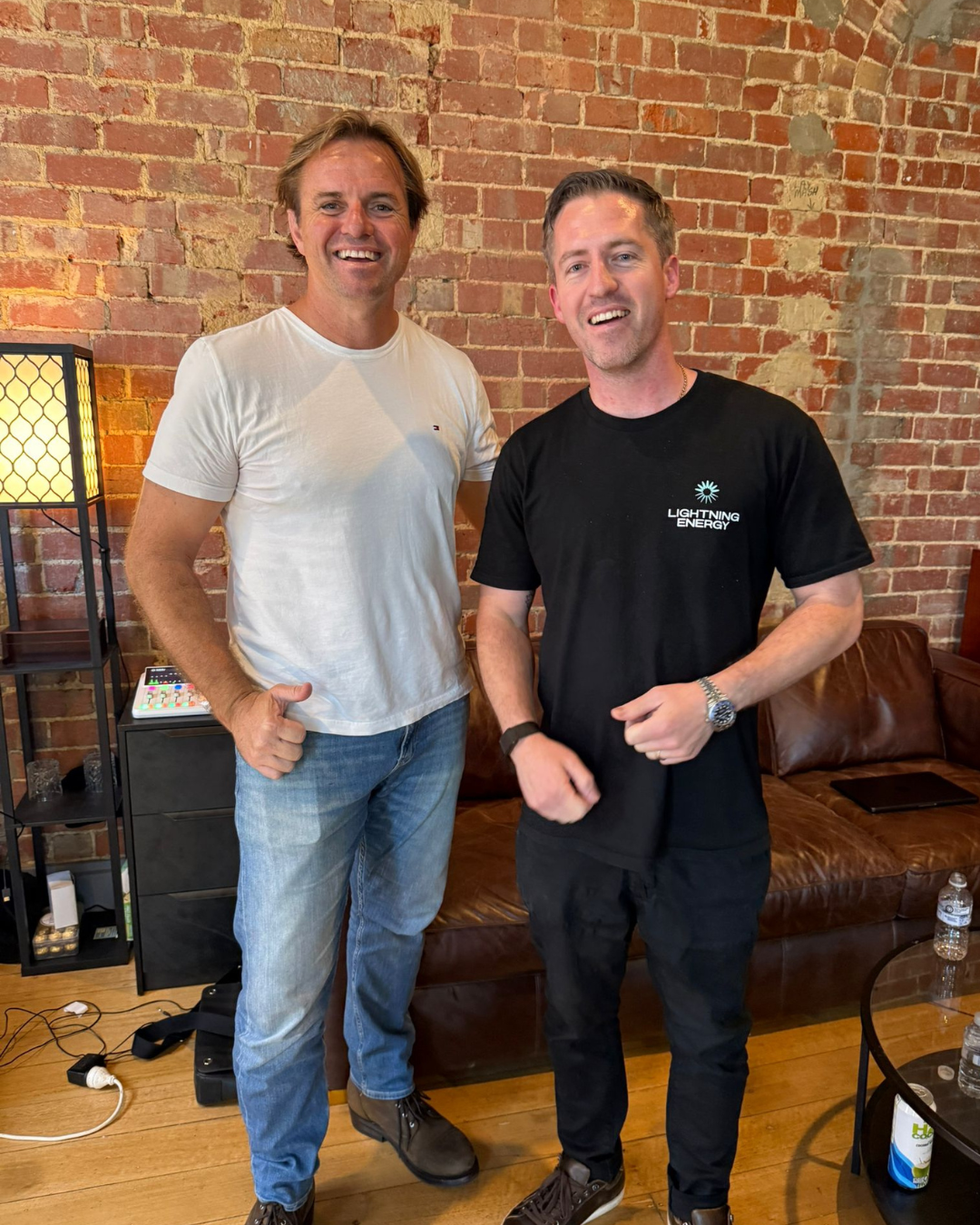
That’s why this conversation is worth your time. Luke Cove (Lightning Energy) sits down with Derek McKercher (Perth Solar Warehouse) for an honest, occasionally funny, behind-the-scenes chat about what’s happening in solar right now, and what matters if you’re a homeowner thinking about solar, batteries, or “electrifying everything.”
Watch the full episode here: YouTube – Episode #15
Prefer audio? Listen on Spotify: The Nexus Point Podcast
Quick insight
1. Solar energy is experiencing significant growth, but batteries are emerging as the real next wave of innovation. Both industries are witnessing a rapid market shift; solar is often just the starting point, and batteries are increasingly crucial in discussions. For homeowners, the key takeaway is: it’s no longer simply about “Should I install solar?” Instead, the focus has shifted to “How can I create a system that suits my home, my energy usage, and allows for future upgrades?”
2. The shiny-object trap (and why it matters to customers). Luke shares a relatable business lesson: it’s easy to get distracted by building the “next big thing” while your core business is already performing well. Derek reinforces this idea, noting that most businesses must consistently return to what customers are currently asking for. At one moment, it may be batteries; at another, it could be air conditioning, heat pumps, or EV charging. From the consumer’s perspective, good installers don’t impose outdated solutions for today’s issues.
3. The industry changes fast—your systems have to keep up. They talk about how quickly “best practice” shifts in solar, and why long documents and training manuals can become outdated in months. Derek also explains why you can’t simply copy and paste a solar business model from one state to another. Each region has its own rules and grid requirements, so local knowledge matters.
4. AI is useful… but only if you don’t use it as a crutch. This segment is one of the best parts of the episode. Derek’s view is that AI only becomes genuinely powerful when a business has its data and processes properly structured—otherwise, you’re just throwing a messy pile of info at a machine and hoping for magic. Luke agrees and adds a warning: if staff (or customers) copy-paste AI answers without understanding them, quality drops fast. Their shared bottom line is refreshing: AI should reduce busywork in the background, while real humans still do the critical part, listening, advising, and solving problems correctly.
5. Longevity, service, and trust beat “cheap and fast”. It becomes evident that after-sales support is crucial as a solar business grows. As your company matures, it’s essential to have dedicated service capacity, not just installation crews. For homeowners, this distinction is what separates a system that is merely “installed” from one that is supported in the years to come.
The conversation also touches on the importance of health and balance, noting that high-growth businesses can be demanding if stress and recovery are not managed properly. Derek shares a practical reminder from the early days of installation: to get regular skin checks. This is a piece of advice you might not expect to hear in a solar podcast, but it aligns with the overarching theme: play the long game.
Ready to listen?
If you’re curious about solar, batteries, and where energy tech is heading, without the sales pitch, press play and enjoy the conversation.
Watch: YouTube – Episode #15
Listen: Spotify – The Nexus Point Podcast