Western Australian homeowners have long trusted Perth Solar Warehouse for reliable, high-quality solar solutions. Today, we’re excited to share one of our most significant announcements yet—one that strengthens local manufacturing, boosts supply security, and gives WA families access to some of the most rigorously built solar panels in the country.
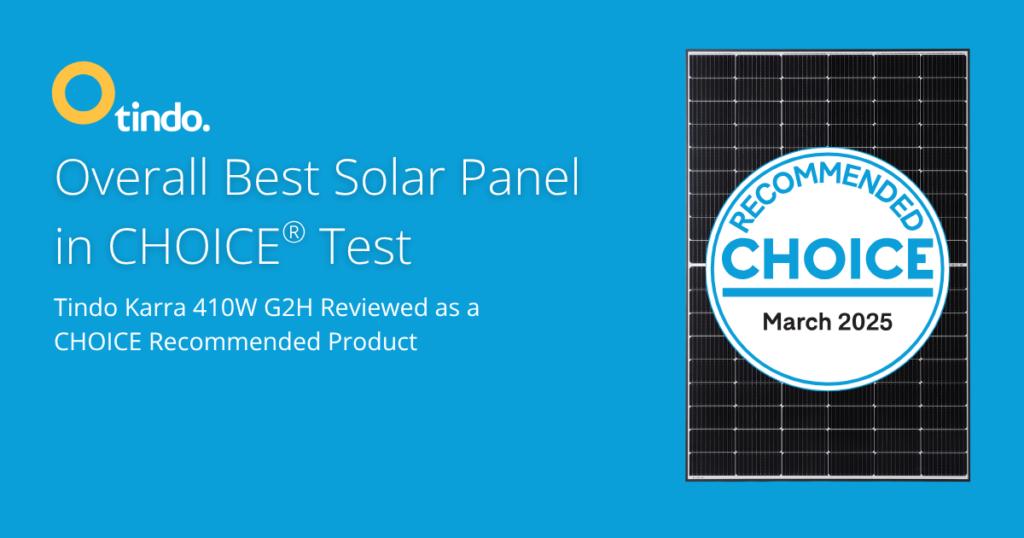
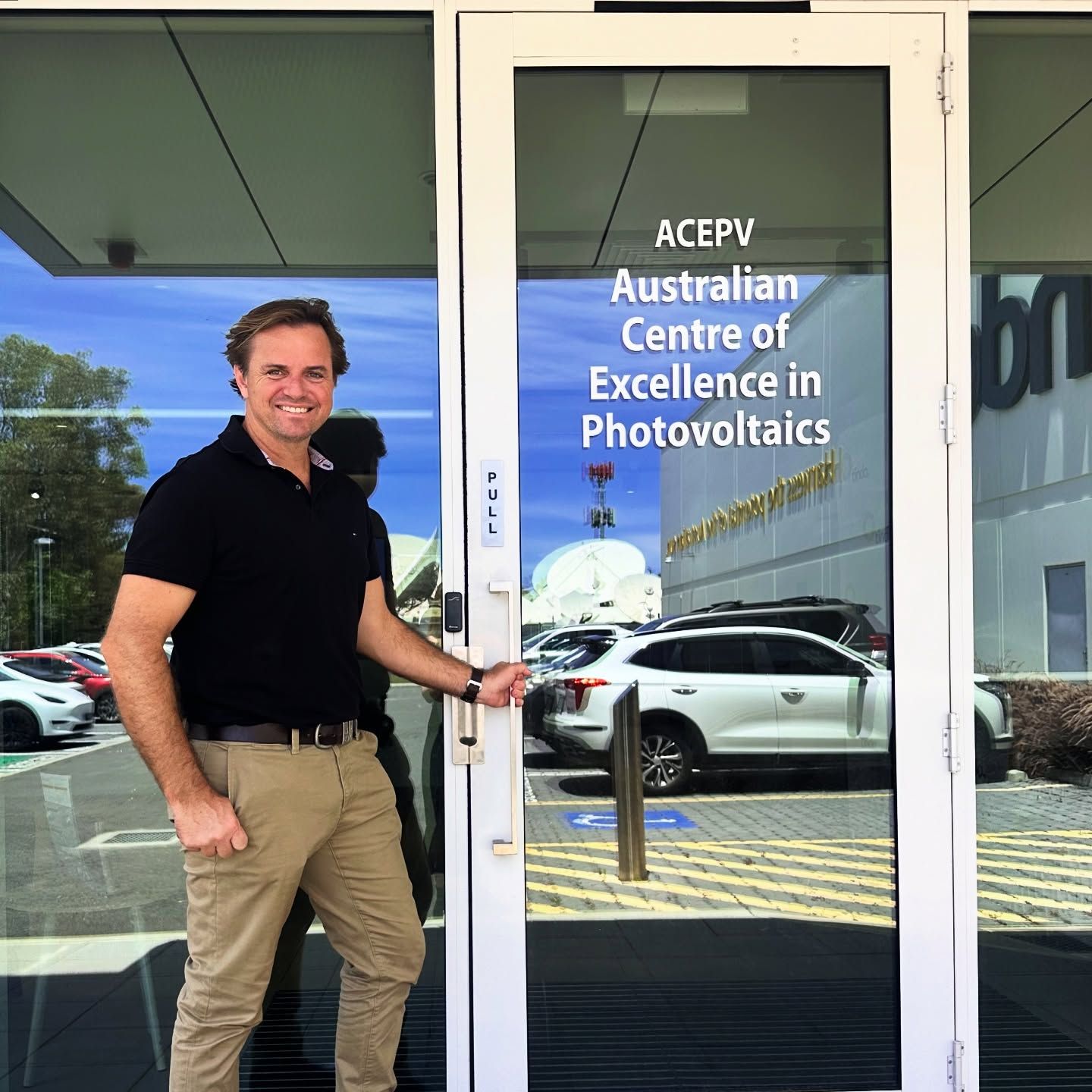
Beginning in 2026, Perth Solar Warehouse will offer Australian-made Tindo solar panels as part of our product lineup.
As Director Derek McKercher shared when announcing the partnership on LinkedIn:
“I’m bringing Australian-made solar panels to Western Australia.”
And we couldn’t be prouder to do exactly that.
Why we chose Tindo
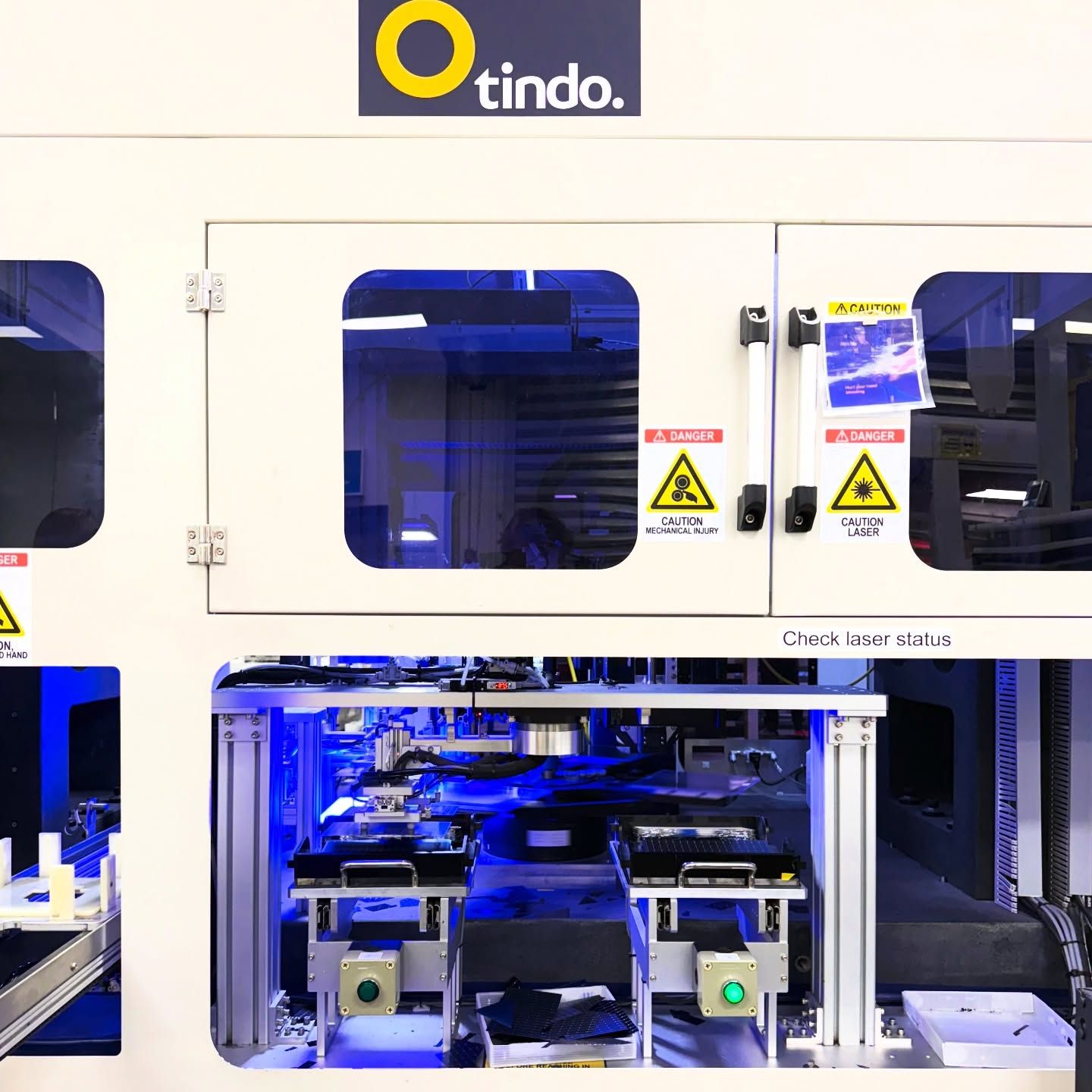
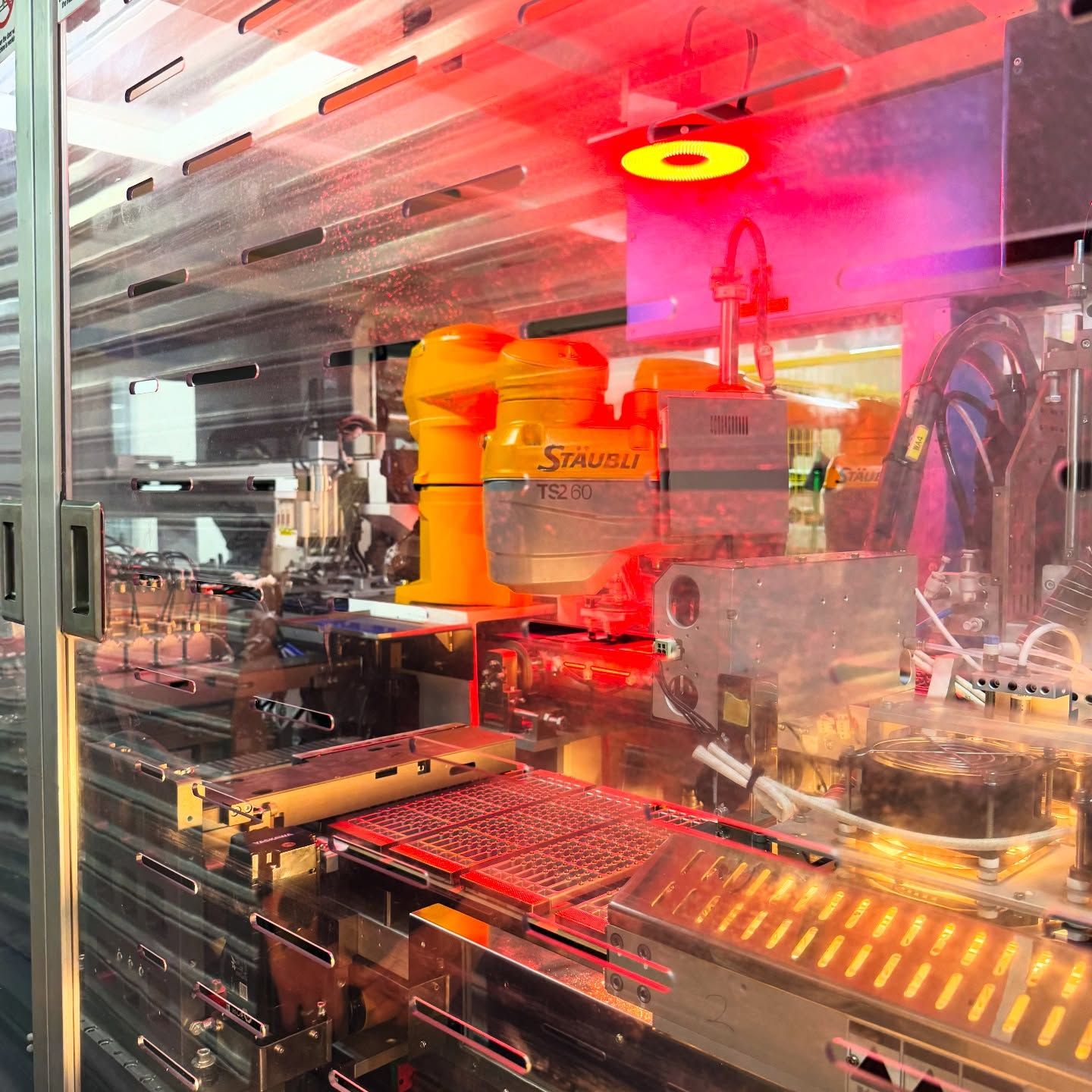
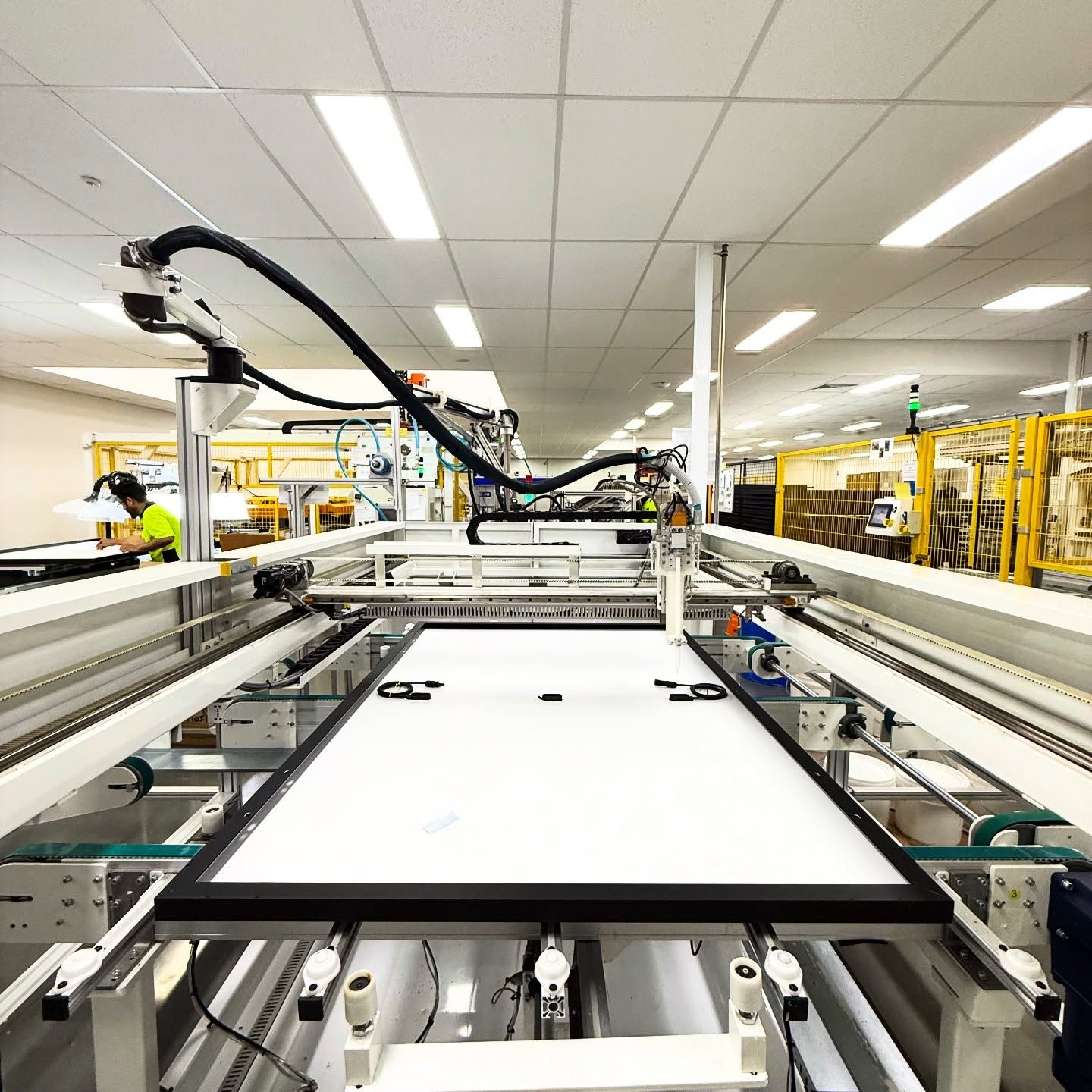
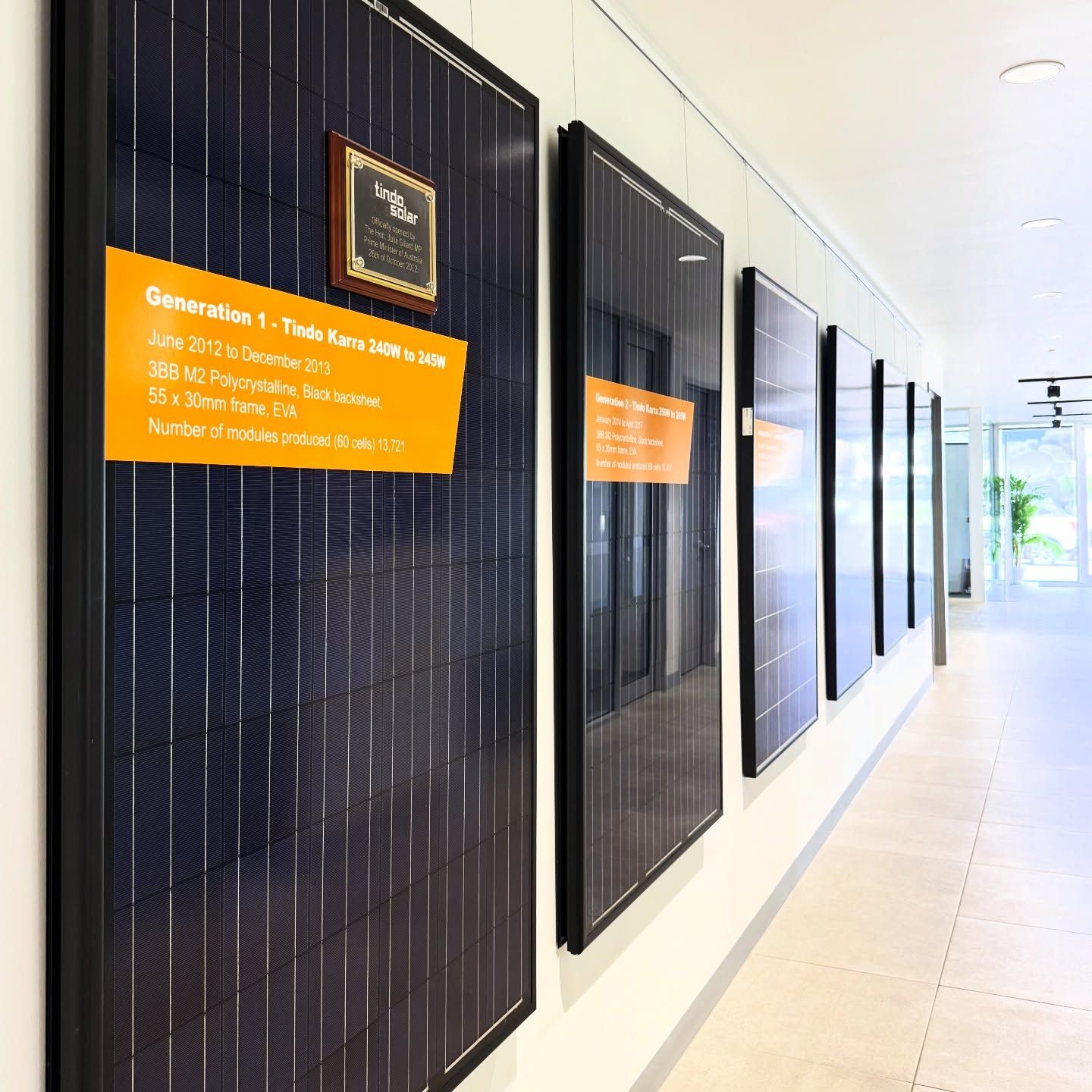
Tindo panels stand out because they’re designed and manufactured specifically for Australian conditions, built locally under some of the strictest quality standards in the world. Unlike many imported alternatives, these panels undergo controlled, transparent, Australian-based production processes that ensure exceptional durability and performance, even in WA’s harsh summer heat and coastal environments. For homeowners, this translates directly into long-term reliability and the confidence that your solar investment is built for our climate rather than adapted to it.
Stronger protection
Just as important are the warranties and performance guarantees behind the product. Tindo panels offer a locally backed 25-year product warranty and a strong long-term power output guarantee, underscoring their durability and expected lifespan. With support handled here in Australia rather than offshore, homeowners also benefit from quicker, more responsive service throughout the life of the system. These protections give families the peace of mind they deserve when making a significant energy decision.

A more secure, local supply chain for WA families
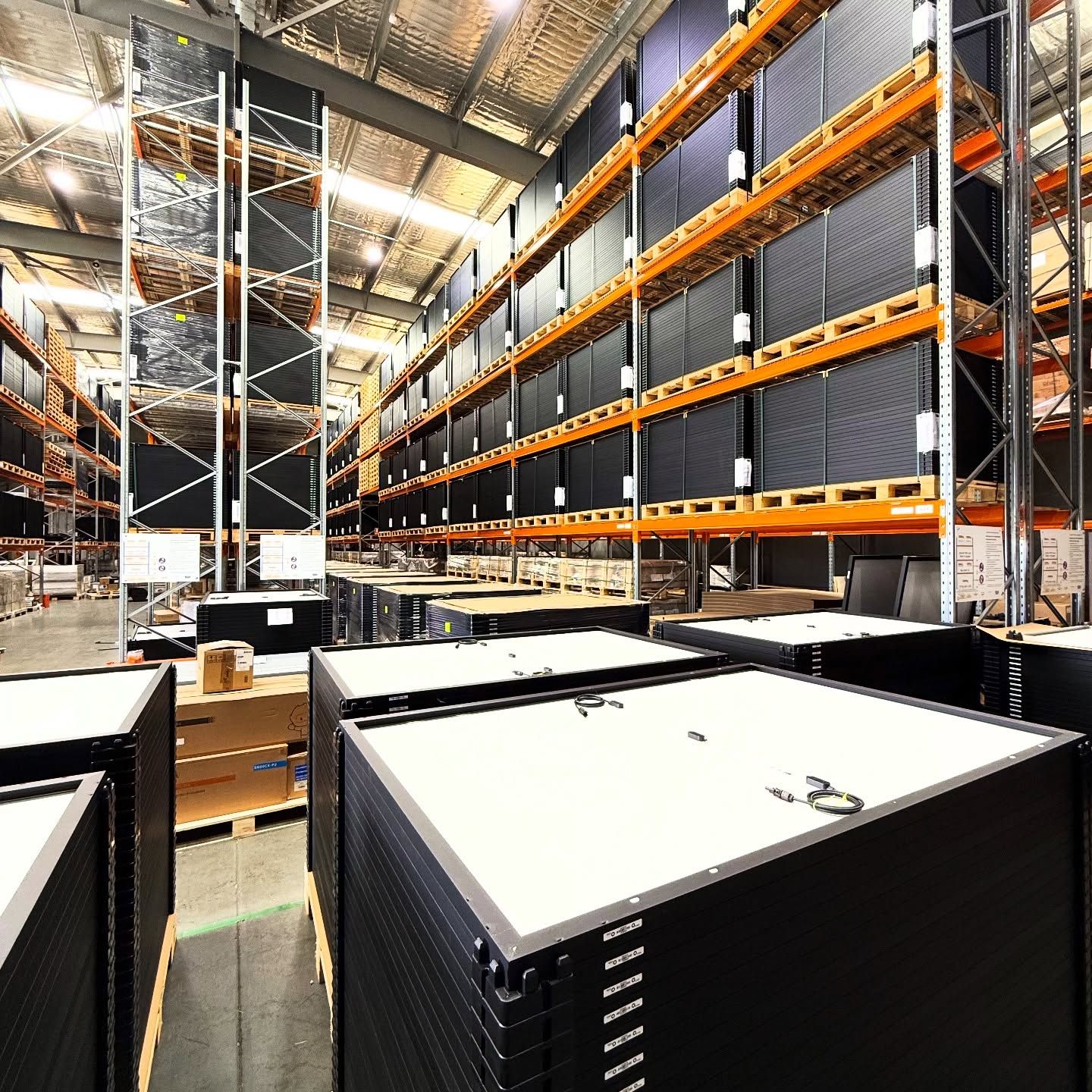
The move to introduce Australian-made solar panels also represents a major leap forward for supply chain security in Western Australia. In recent years, global disruptions have affected solar availability worldwide. By partnering with a domestic manufacturer, we’re ensuring a more stable and predictable supply of premium panels, reducing the risks of shipping delays, shortages, or sudden market fluctuations. It’s a shift that not only supports Australian jobs and industry but also directly benefits WA families planning ahead for a reliable solar installation.
Backed by over 20 years of local energy expertise
With over 20 years of local energy expertise, Perth Solar Warehouse has consistently provided homeowners with reliable and well-supported solar solutions. By incorporating Tindo into our offerings, we align perfectly with our mission to deliver quality installations backed by products we truly trust. This partnership not only expands our range but also represents a significant step toward offering better local choices, higher standards, and long-term confidence for residential customers throughout the state.
Tindo solar panels will be available starting in 2026 through Perth Solar Warehouse. We encourage homeowners who value Australian manufacturing, strong warranties, and reliable supply security to begin exploring their options now. If you’re interested in learning more or want to register your interest ahead of the launch, our team is here to assist you every step of the way. Together, we can support Australian innovation while providing Western Australian homes with quality you can rely on.