TL;DR
- Bunbury is in STC Zone 3, the same zone as Perth. Greater Bunbury's growth suburbs; Australind, Eaton, Dalyellup, get the same upfront STC discount as a Fremantle roof.
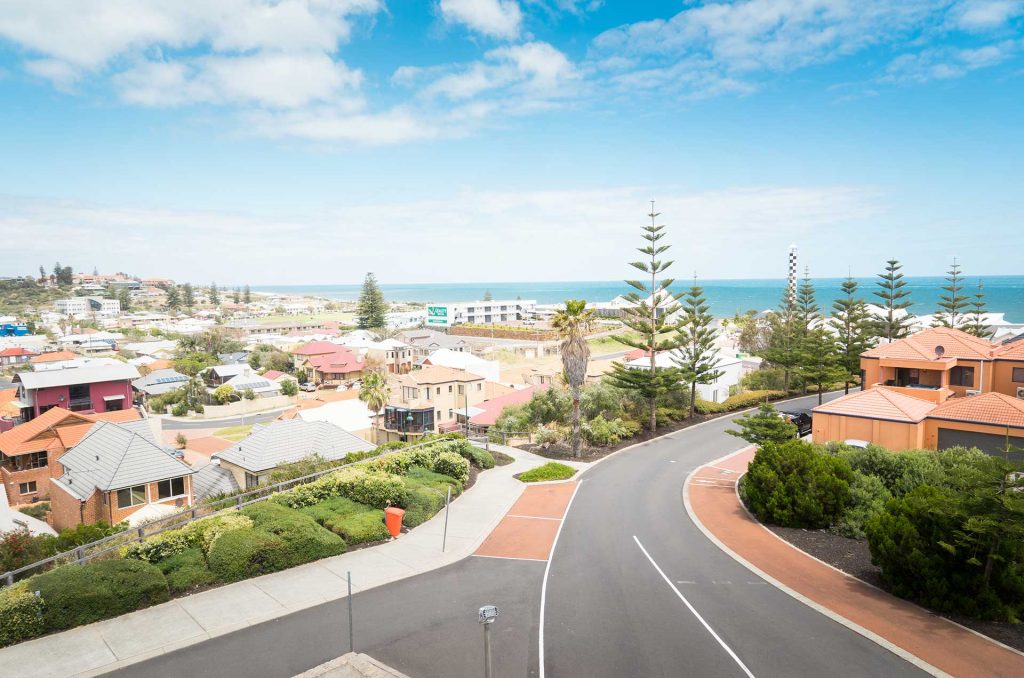
- Bunbury's coastal sea breeze cools summer afternoons earlier than an inland town gets the same relief, which is a point in solar's favour, not just a comfort one.
- Bunbury is on the South West Interconnected System (SWIS), so Synergy's DEBS export scheme applies: 2c per kWh at other times and 10c per kWh in the 3pm to 9pm peak window, on the first 50 units a day (rates effective 1 July 2025, unchanged for 2026).
- Payback depends on how much of your own solar you use, your tariff and current rebates. Get a tailored figure before you decide.
Contents
One thing up front, so there’s no confusion. Perth Solar Warehouse focuses on the Perth metro area at the moment, so this isn’t a sales page and we’re not pitching you an install. We wrote it because the questions are the same wherever you are in WA, and the local details are easy to get wrong. If all you need is a solid local contact, we recommend: JFK Electrical, Solar & Air ›
Why solar makes sense
in Bunbury and the South West
Rebates and incentives
that apply
There are three separate forms of help, and they work differently. It’s worth keeping them straight, because they’re often lumped together as “the rebate” when they aren’t one thing.
The short rule for all three: they’re real and worth chasing, but every amount here is subject to change and tied to eligibility. Get the current numbers for your own situation before you sign anything.
Exporting power
on the SWIS network
Bunbury runs on the South West Interconnected System, the main grid that covers Perth and the South West. Western Power owns the poles and wires; Synergy is the retailer that bills you and runs the export scheme. That matters because the rules and rates you’ll read about for SWIS apply to you, whereas the separate Horizon Power network that covers the far regional areas works differently.
When your system produces more than the house uses, the surplus flows to the grid, and Synergy credits you for it under the Distributed Energy Buyback Scheme (DEBS). DEBS pays a time-of-day rate: a low rate for power exported off-peak, and a higher rate, currently around 10c per kWh, for power exported in the 3pm to 9pm peak. Those rates can change at any time, so check synergy.net.au for the current figures rather than relying on a figure in an article.
The practical takeaway is that exports are a bonus, not the main game. The off-peak buyback is modest, which is why the real value sits in using your own solar while the sun’s up, and increasingly in storing it for the evening peak. A home that shifts dishwashing, laundry and pool pumps into daylight hours gets far more out of a system than one that exports everything and buys it back at night.
Worth noting for new systems: the SWIS connection rules changed on 1 May 2026. Single-phase homes can now install larger systems than before, with exports managed either through a flexible export setup or a small, fixed export cap. Your installer handles the technical side of that, but it’s why a Bunbury home can be sized up more generously now than it could have been a year ago.
Typical system sizes
and payback for a South West home
Choosing an installer
Wherever you are in WA, the quality of the install matters more than the brand on the panel. A good system fitted badly will underperform and cause headaches; a sensible system fitted well will quietly do its job for decades. A few markers worth checking, whoever you go with:
- SAA accreditation. The installer designing and signing off your system should be accredited by Solar Accreditation Australia (SAA), the national scheme that took over installer accreditation from the Clean Energy Council. This is the credential that lets a system claim STCs at all.
- NETCC Approved Seller. The New Energy Tech Consumer Code (NETCC) is the retailer-level code of conduct. An Approved Seller has signed up to standards covering sales, contracts and after-sales support.
- Real warranties, clearly explained. Look for separate, written cover on the panels, the inverter, the battery and the workmanship, with someone local who'll answer the phone in five years. A single vague "warranty" line is a flag.
- A system designed for your home, not a package off a shelf. Roof direction, shading, your usage pattern and whether you want a battery should all shape what you're quoted. If nobody asks, that's telling.
Common questions
Is Bunbury in the same solar rebate zone as Perth?
Yes. Bunbury (6230) is in STC Zone 3, the same zone and rating factor as Perth. A South West home claims the same upfront STC discount on the same size system as a Perth home.
Does the Synergy DEBS export scheme apply in Bunbury?
Yes. Bunbury is on the South West Interconnected System (SWIS), which is the network DEBS covers. The far regional areas on the separate Horizon Power network work differently.
How much does a 6.6kW system generate in the South West?
Does Perth Solar Warehouse install in Bunbury?
Not at the moment. We currently focus on Perth metro. This page is an information guide for South West homeowners, not a service offer.
Solar is a sound move for a South West home. You’re in the high-rebate zone, you’re on the main grid with the same export scheme as Perth, and the sun does the rest. The two things that decide whether it’s a good system or a regrettable one are sizing it for how your household uses power, and getting it installed by someone accredited who stands behind the work. Get the current rebate and rate figures for your own situation before you commit, because those are the numbers that move.
If you want to understand the rebates in more depth, our WA solar rebate guide and WA battery rebate guide keep the current details. If you’re seeking a locally proven installer in your region, we recommend JFK Electrical, Solar & Air ›